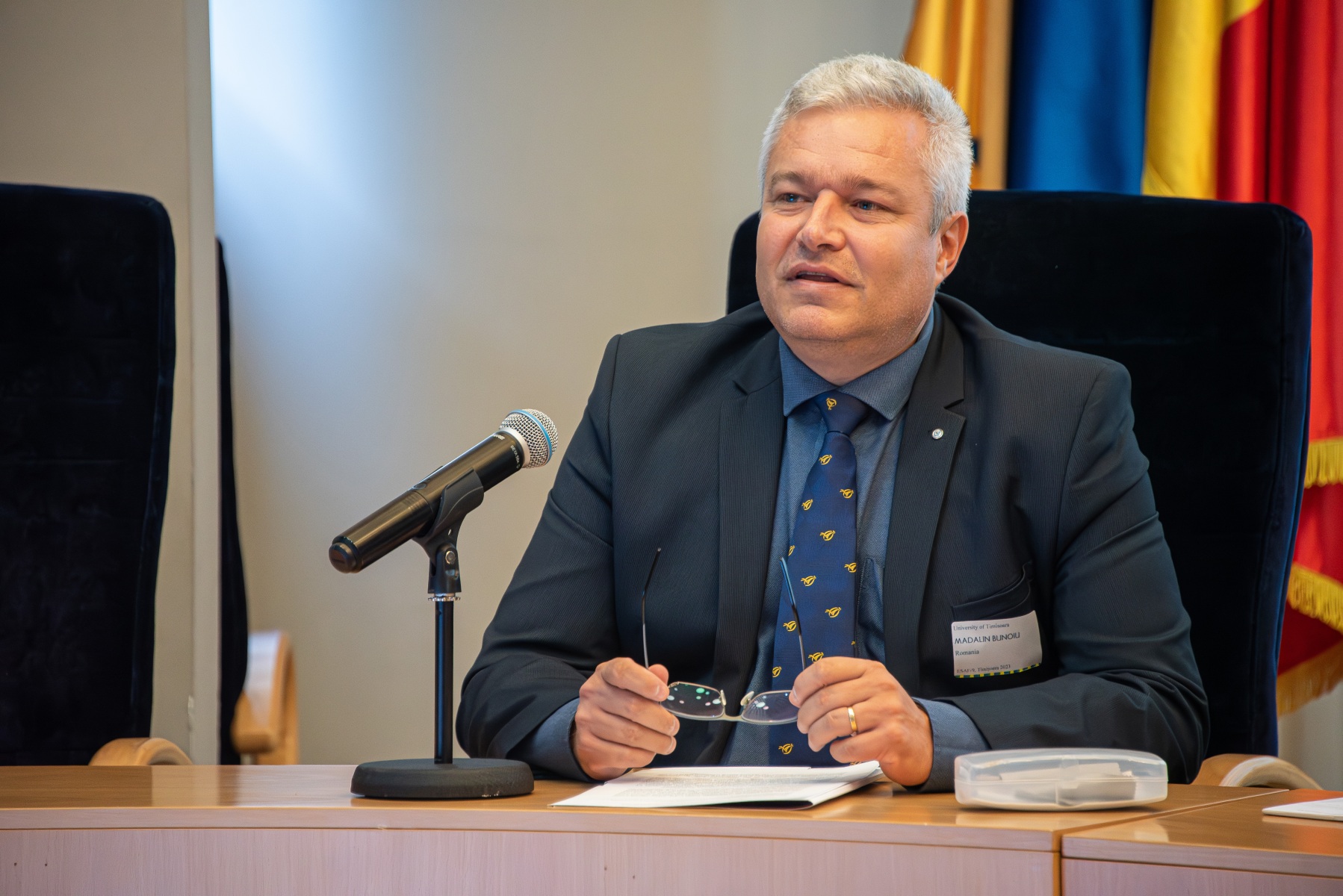
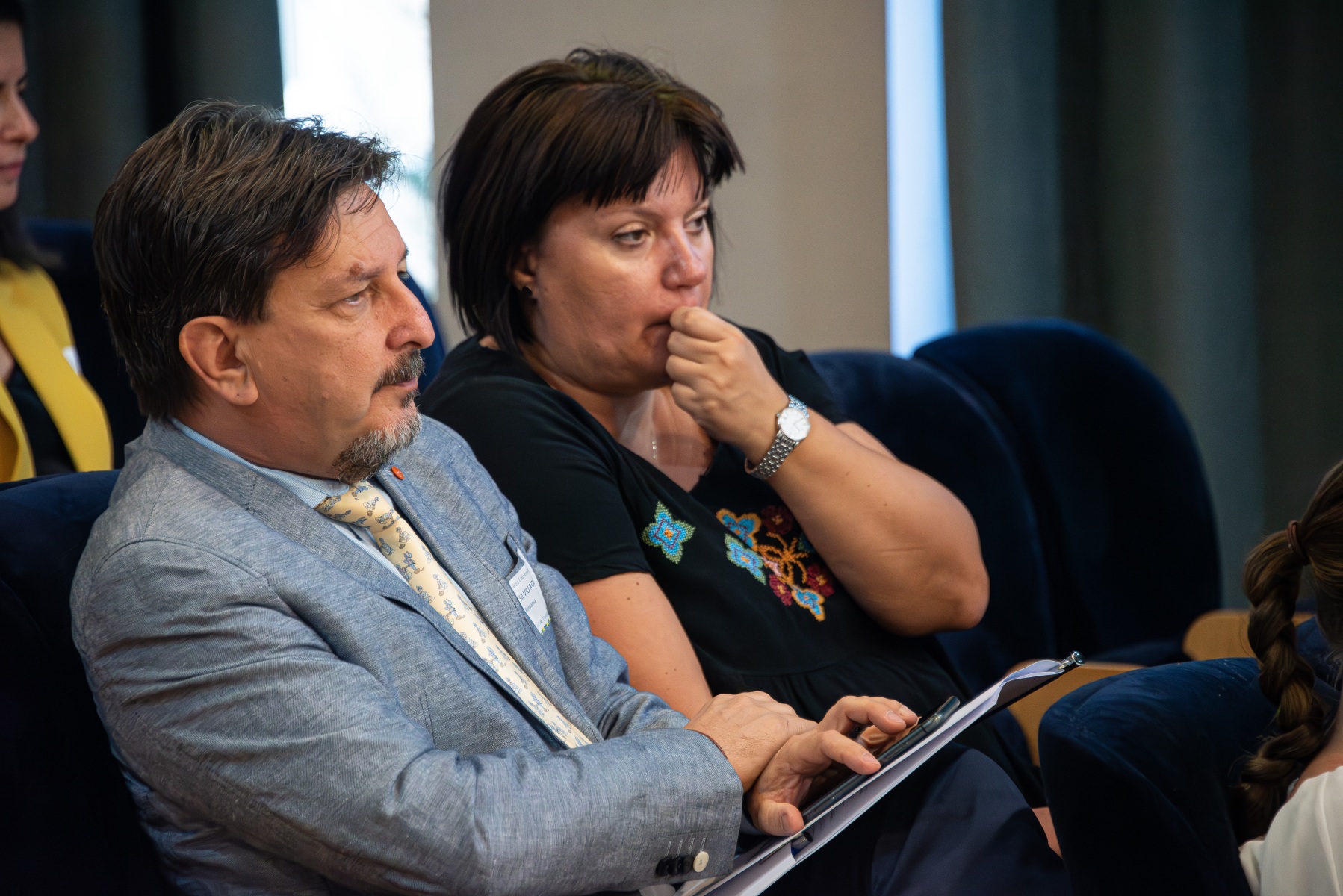
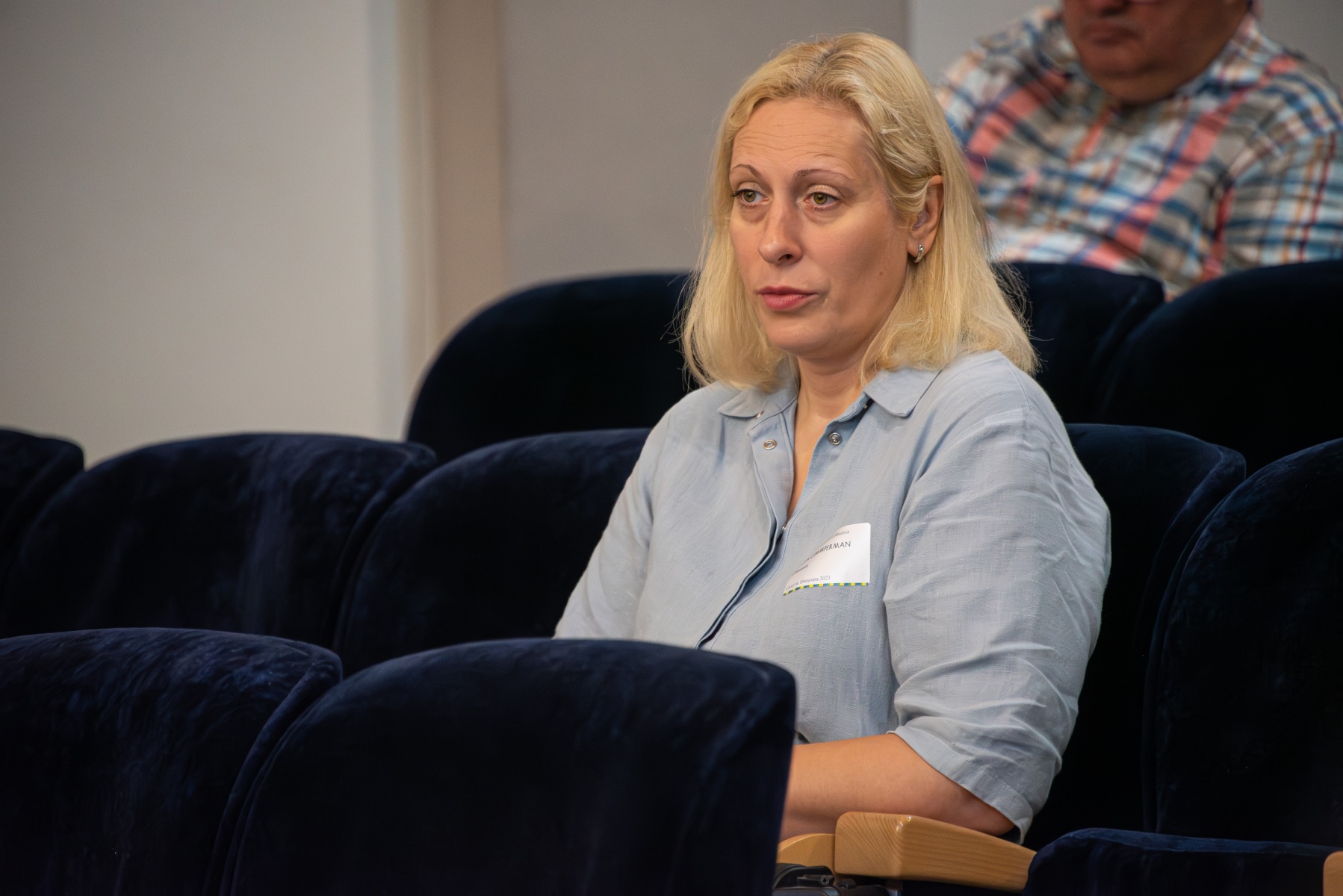
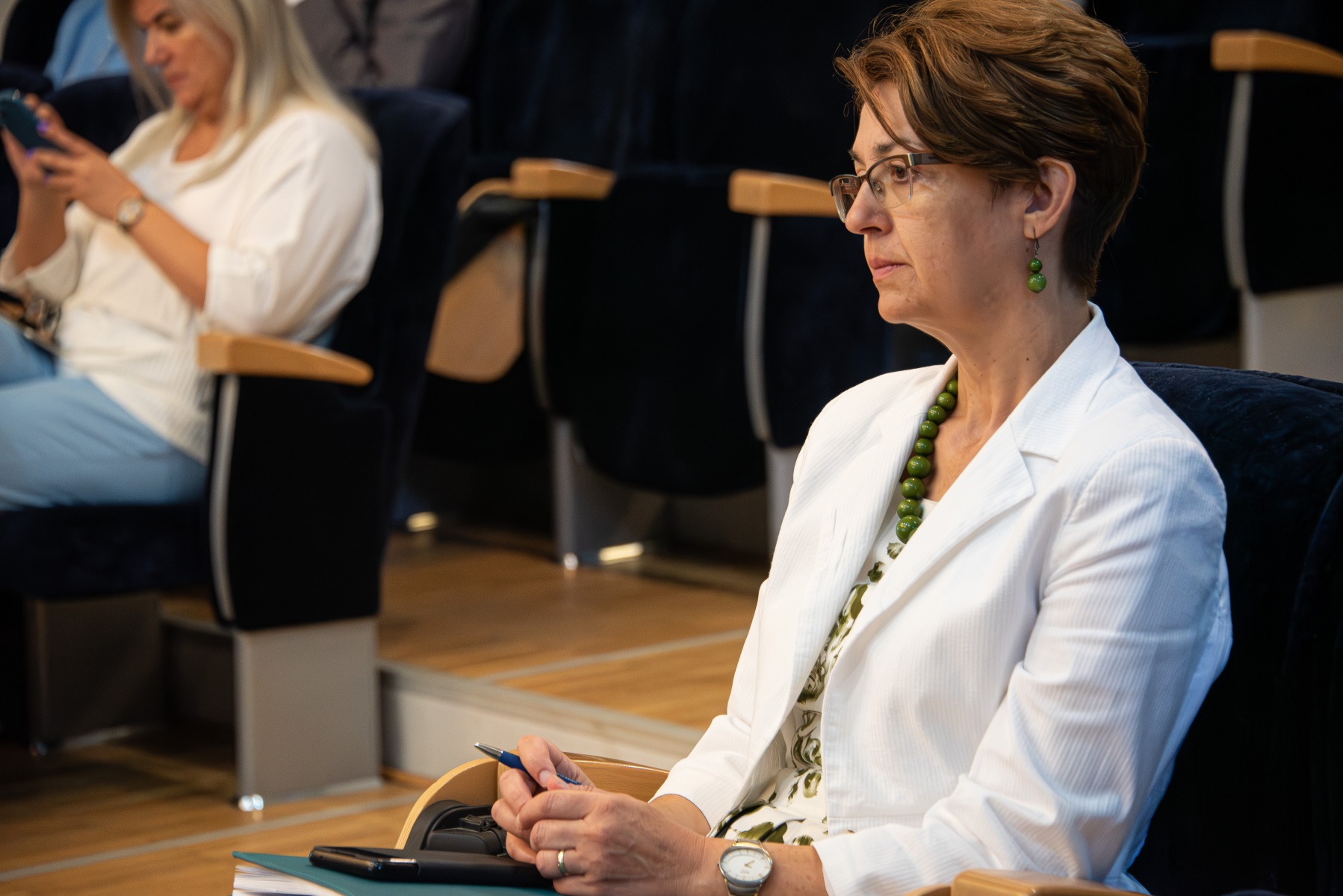
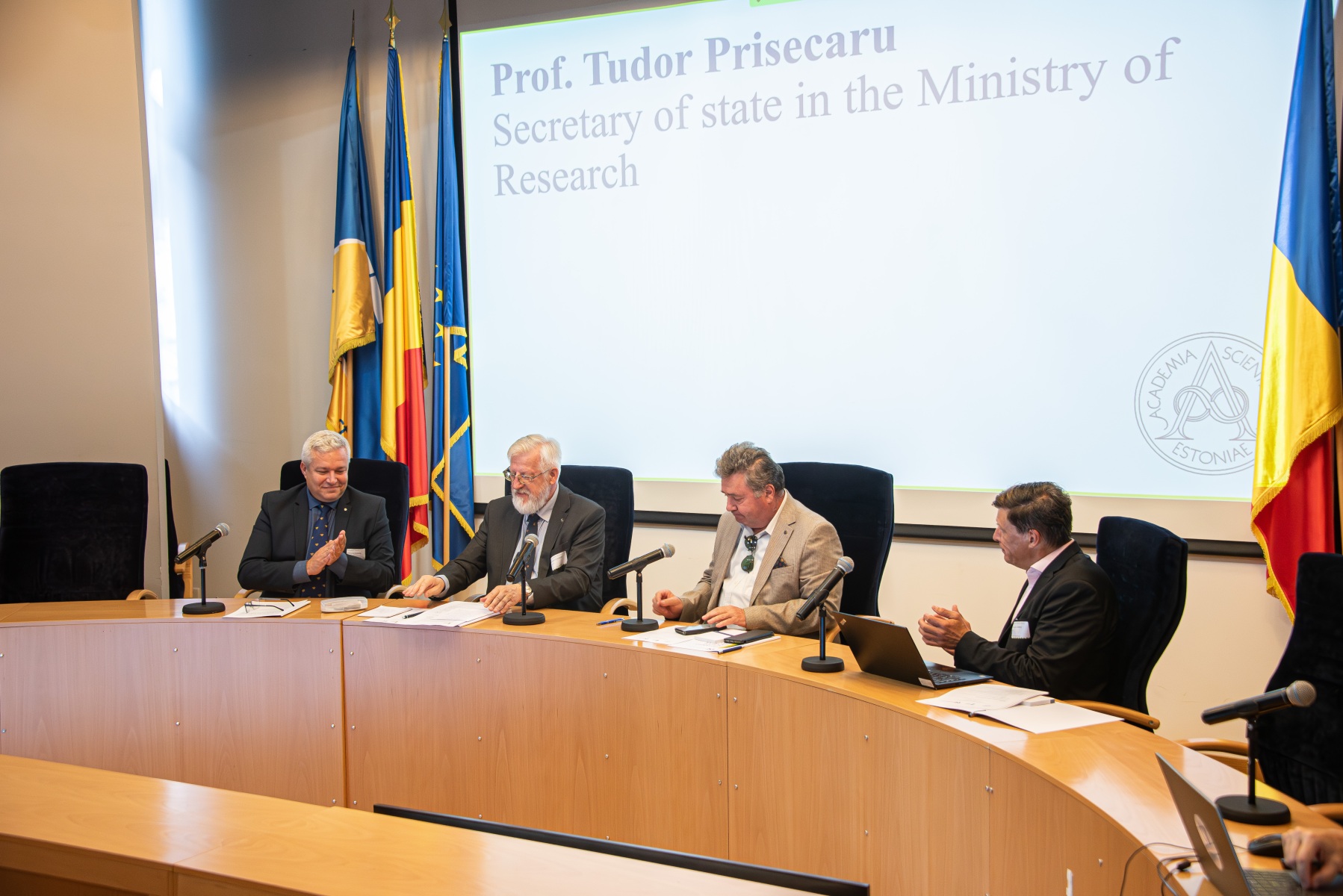
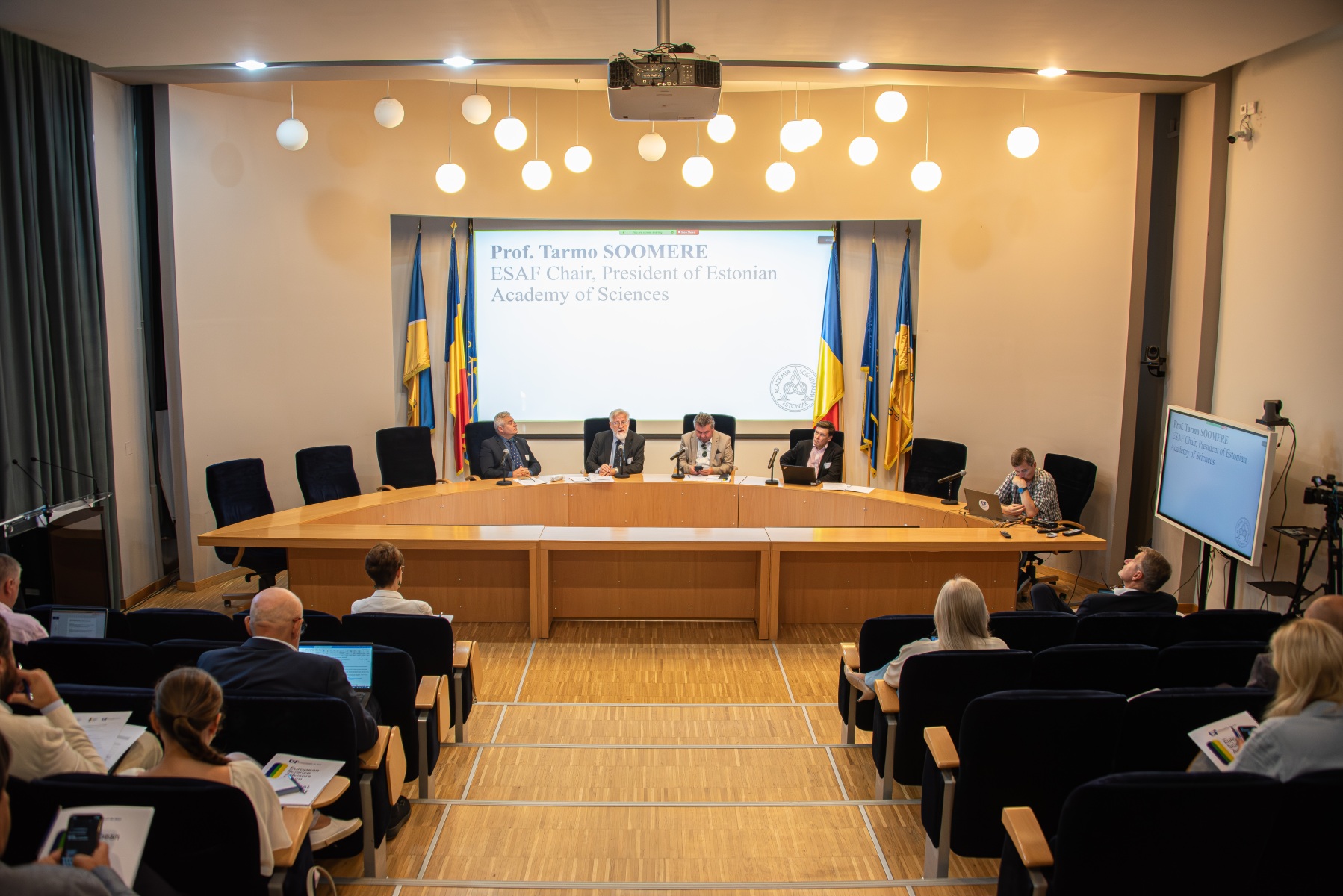
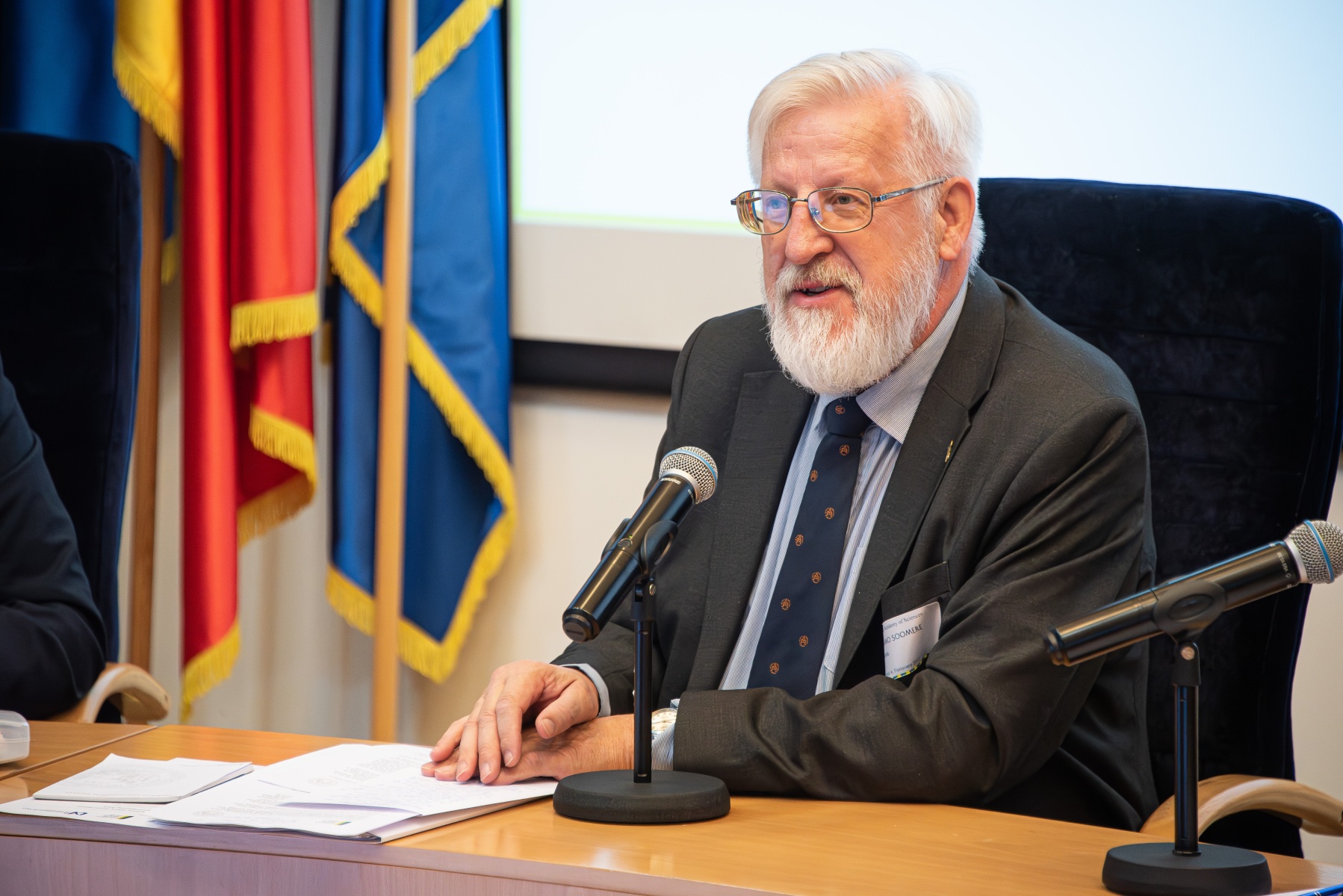
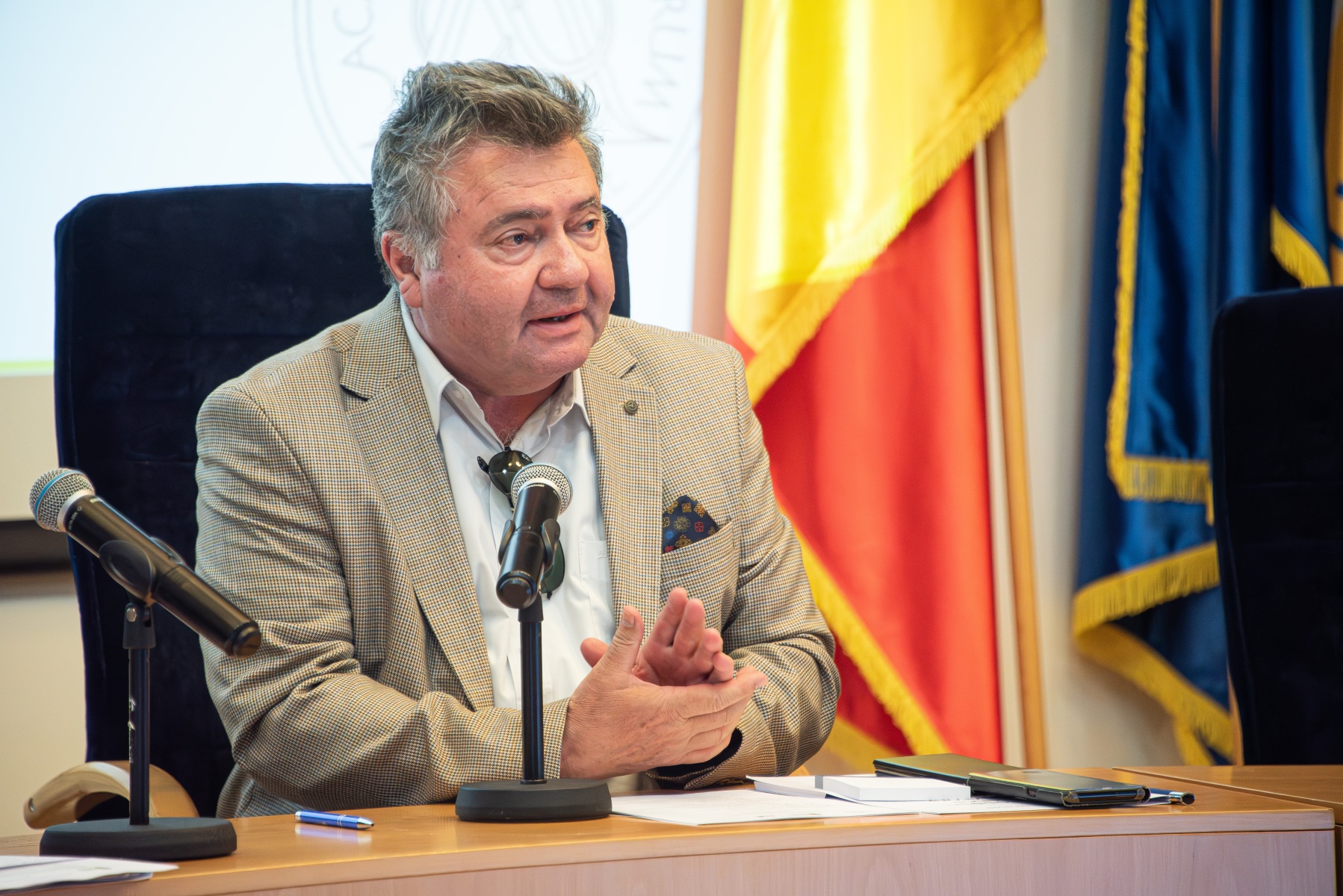
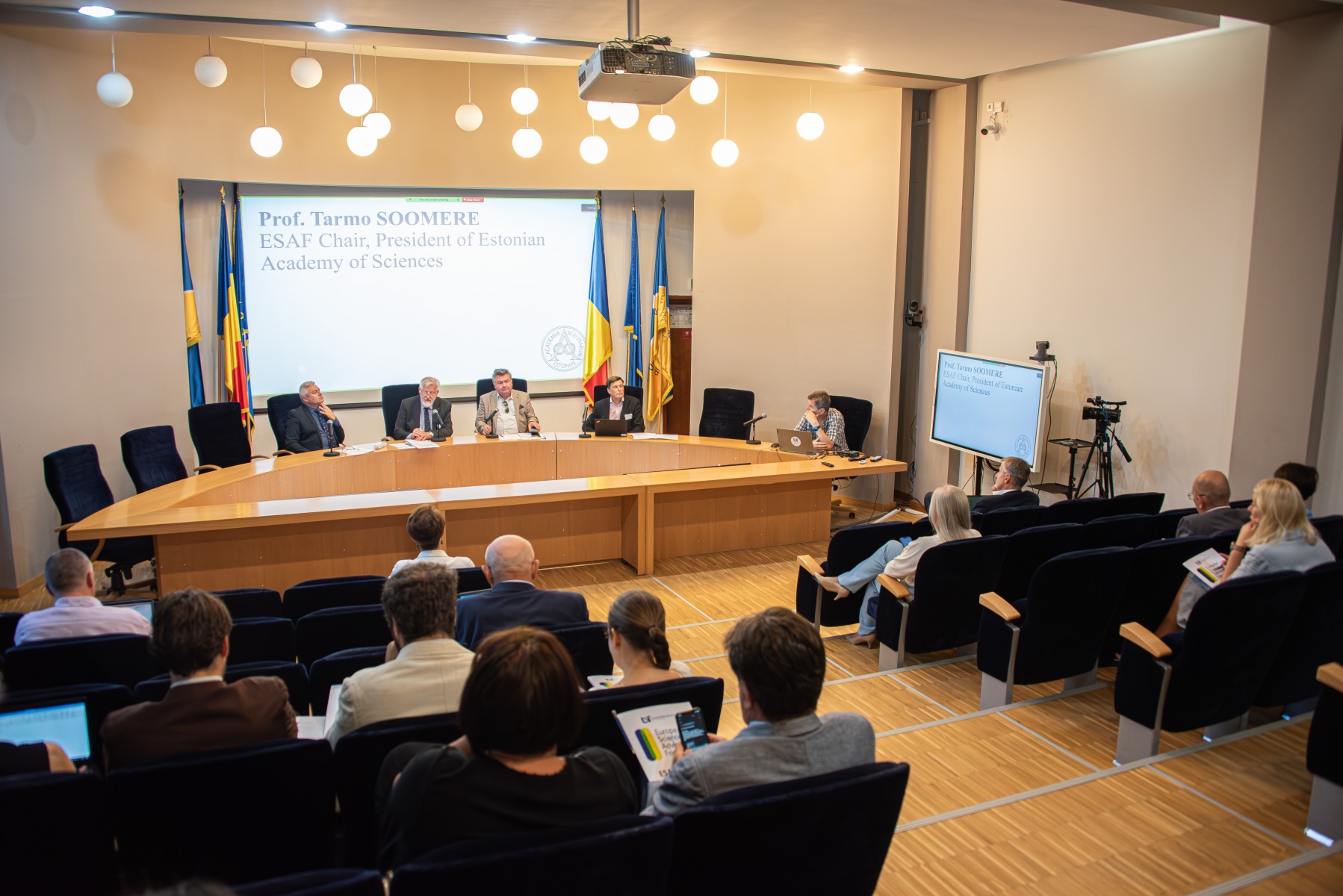
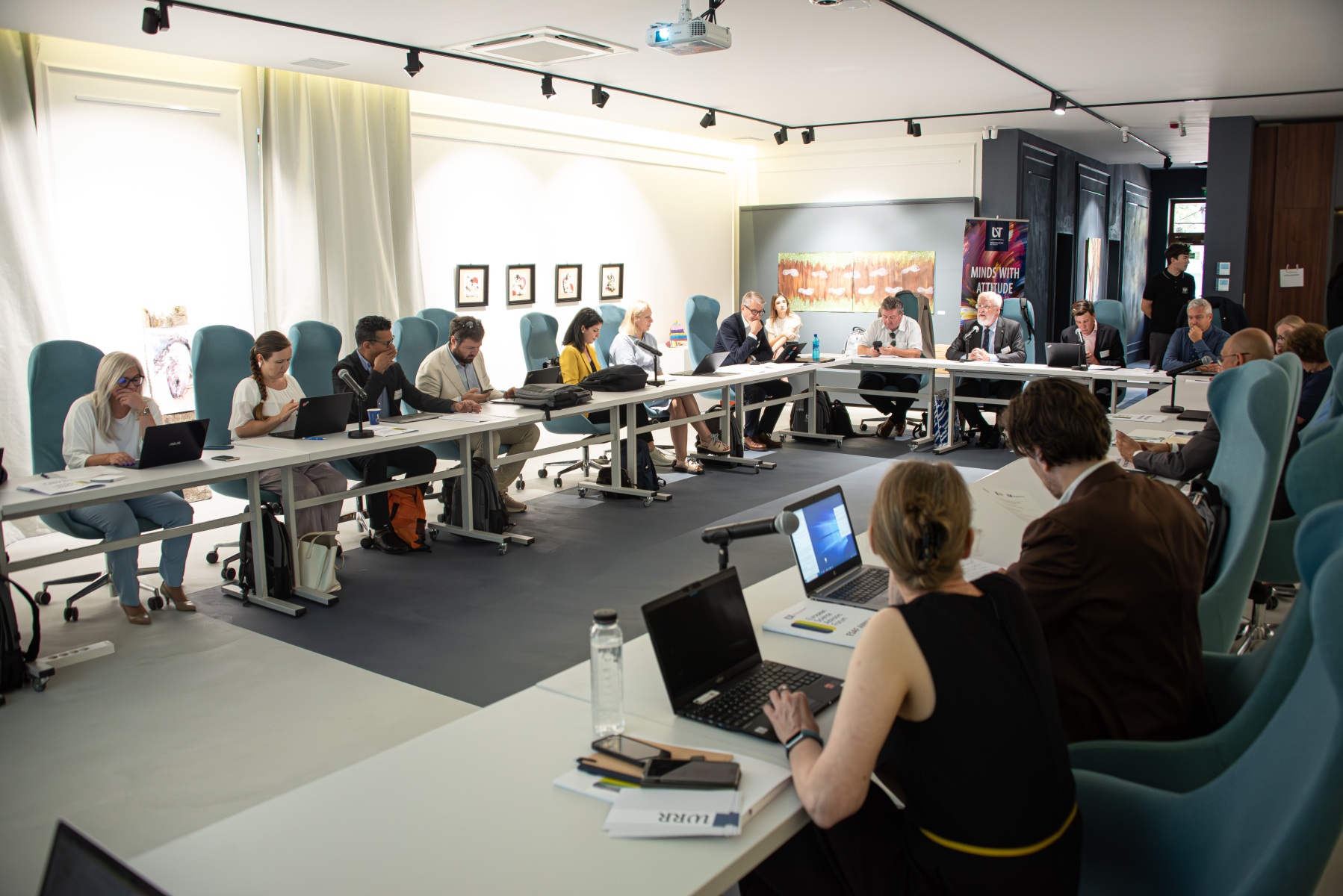
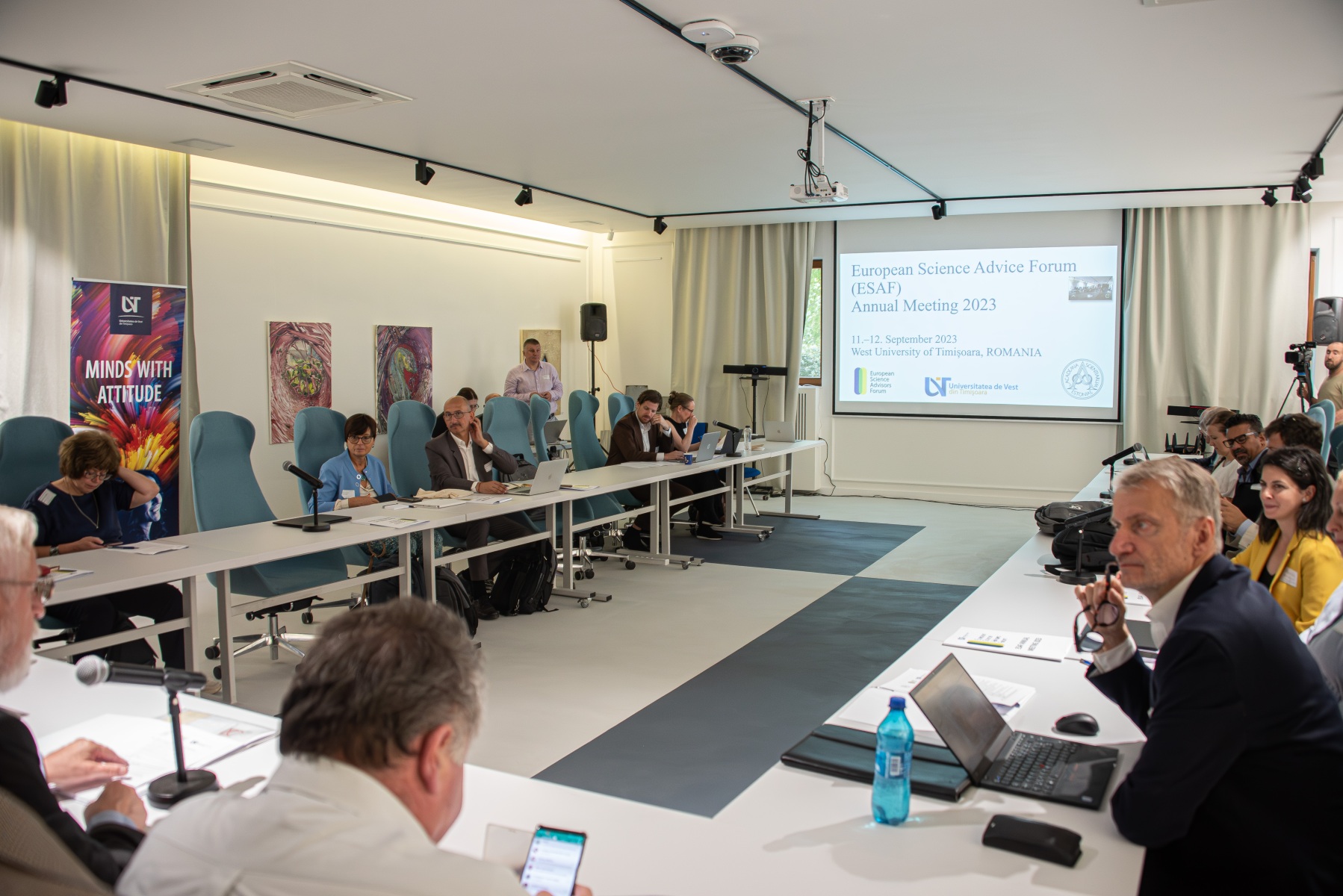
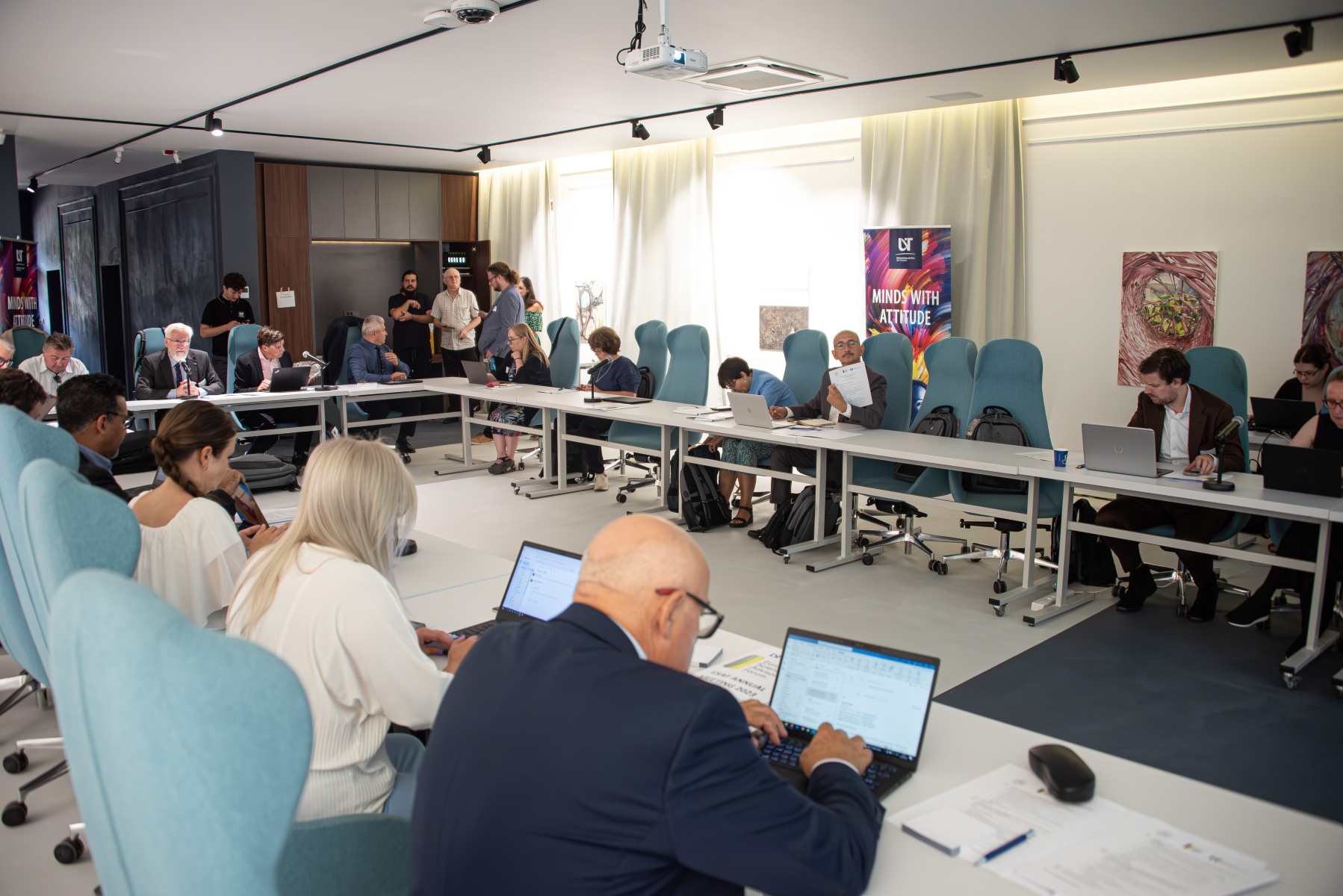
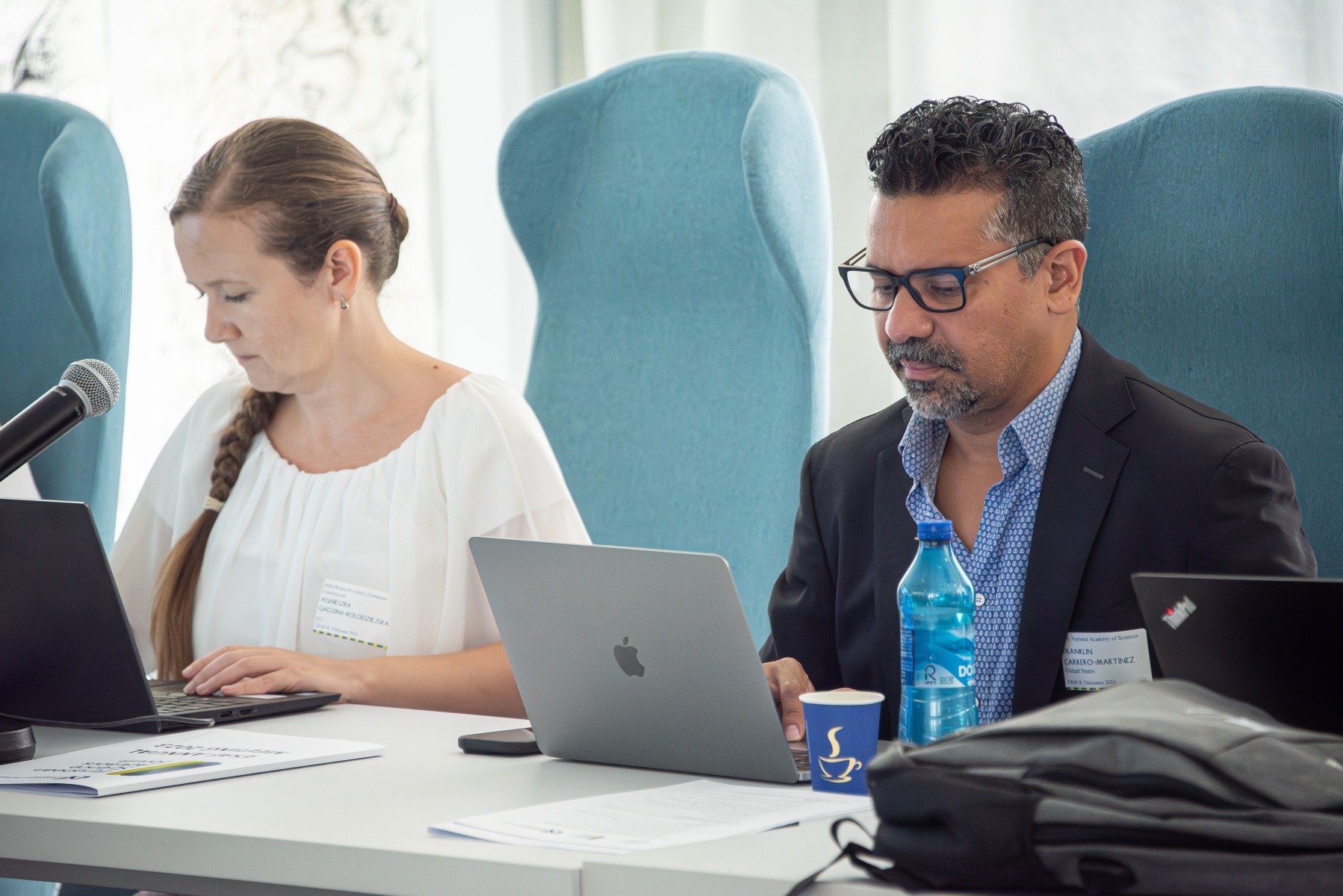
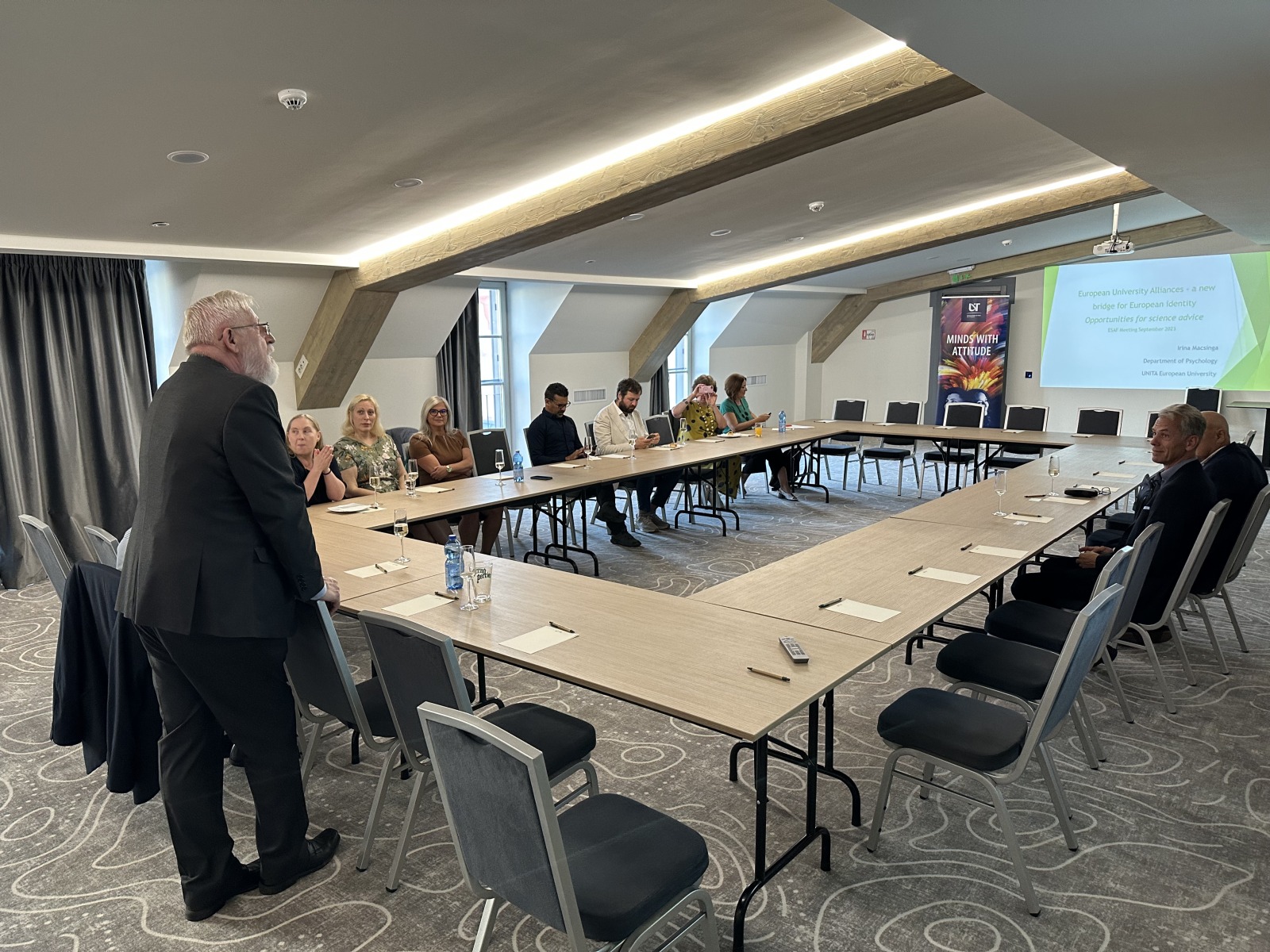
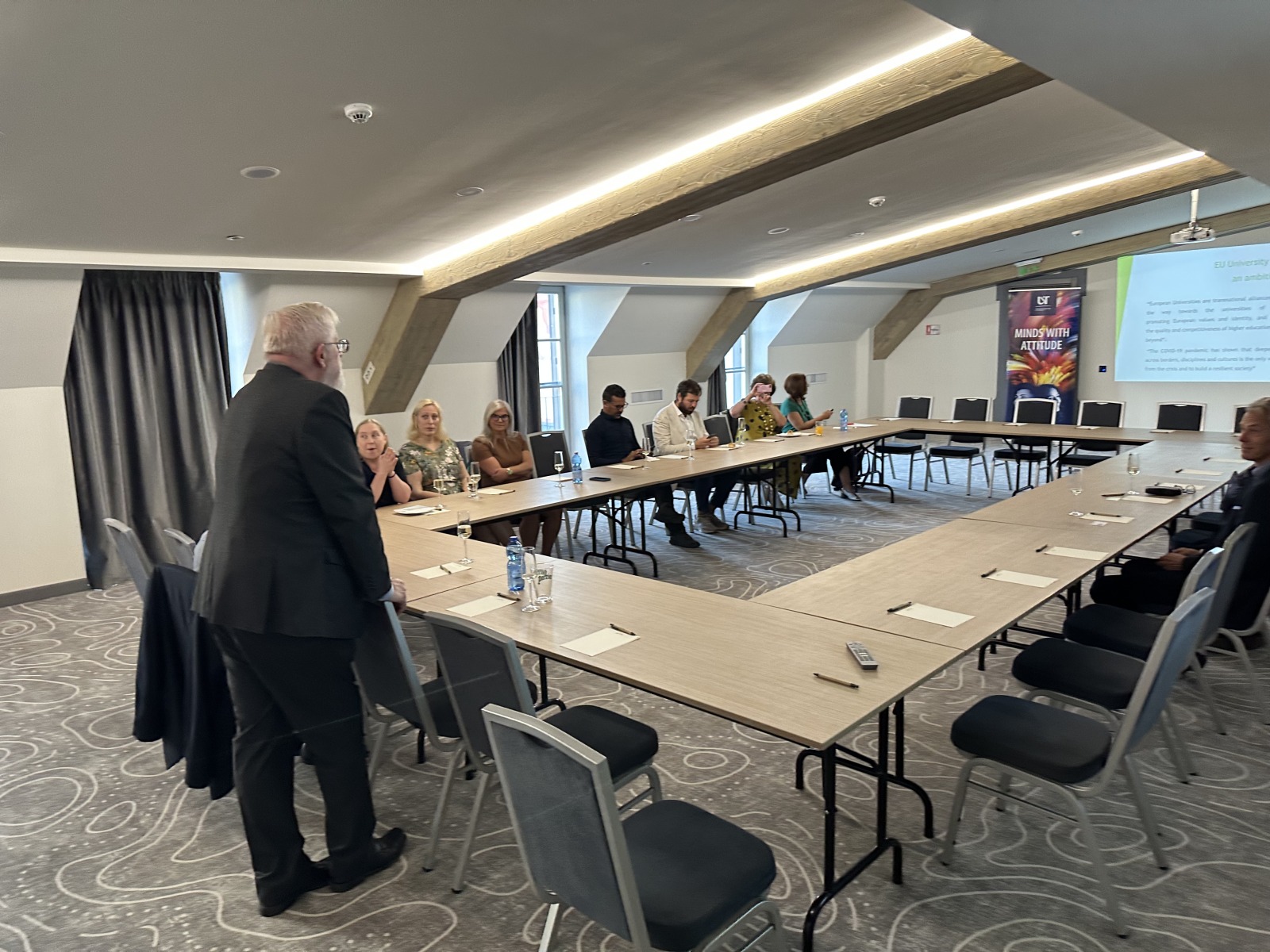
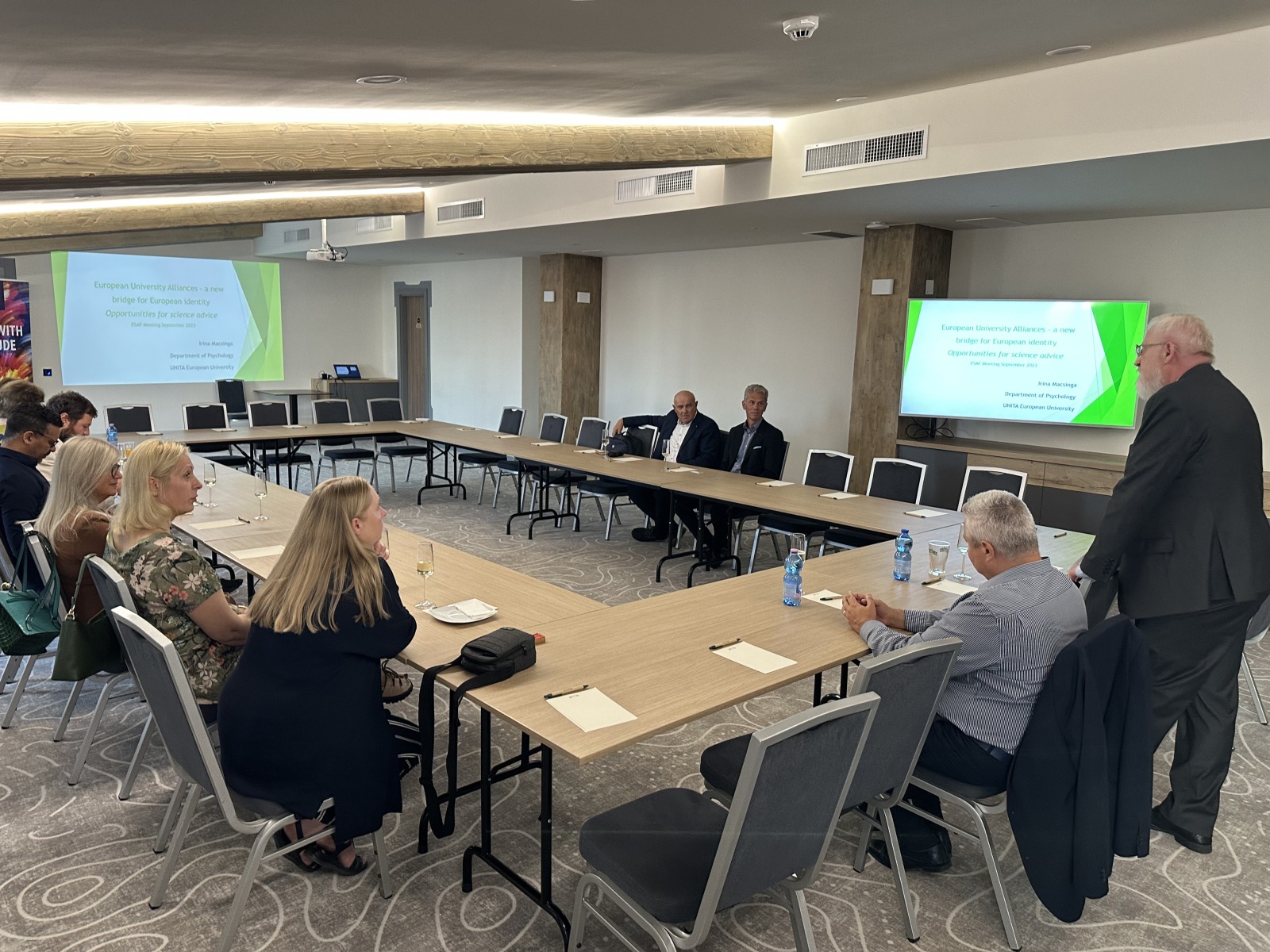
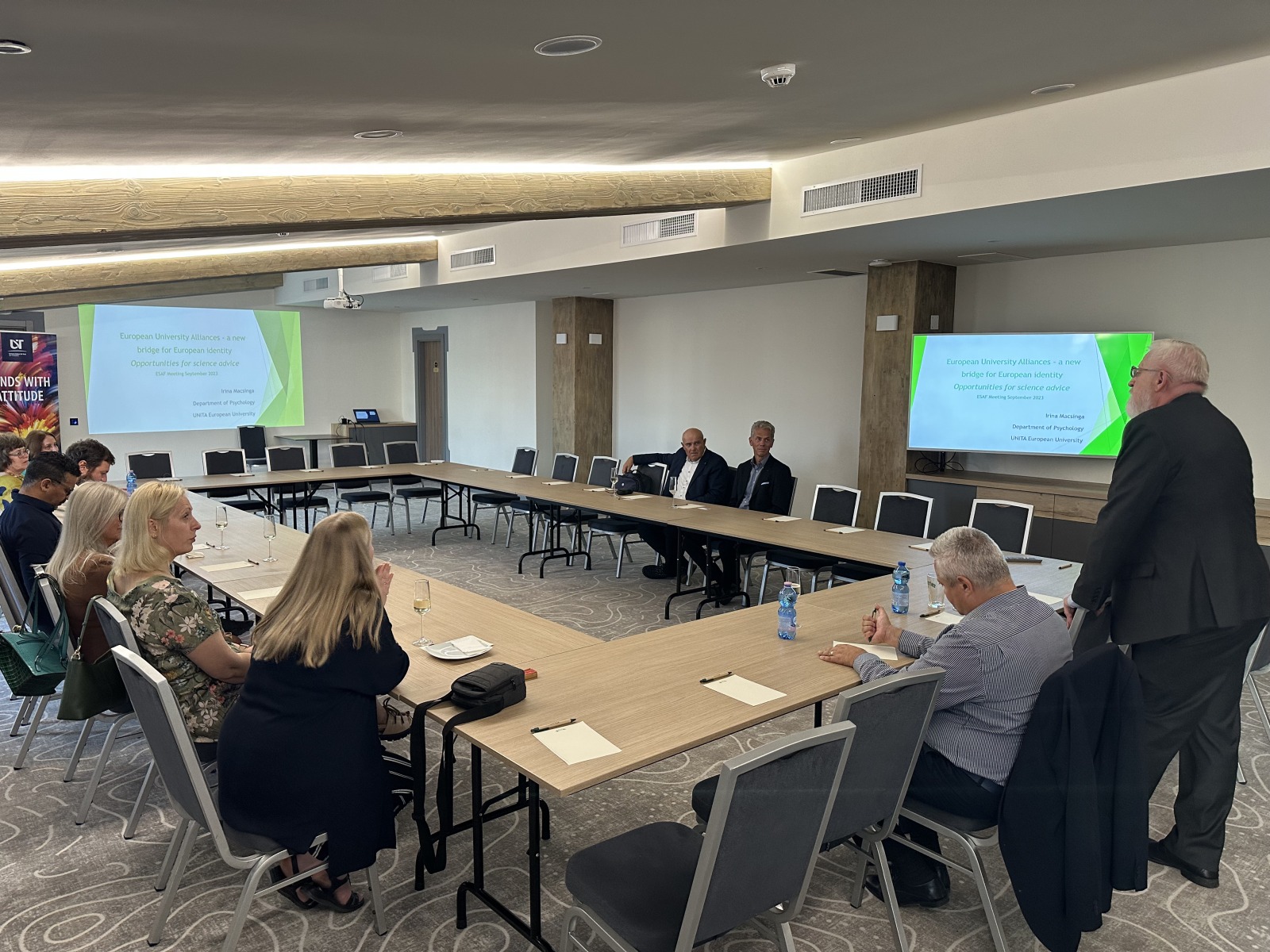
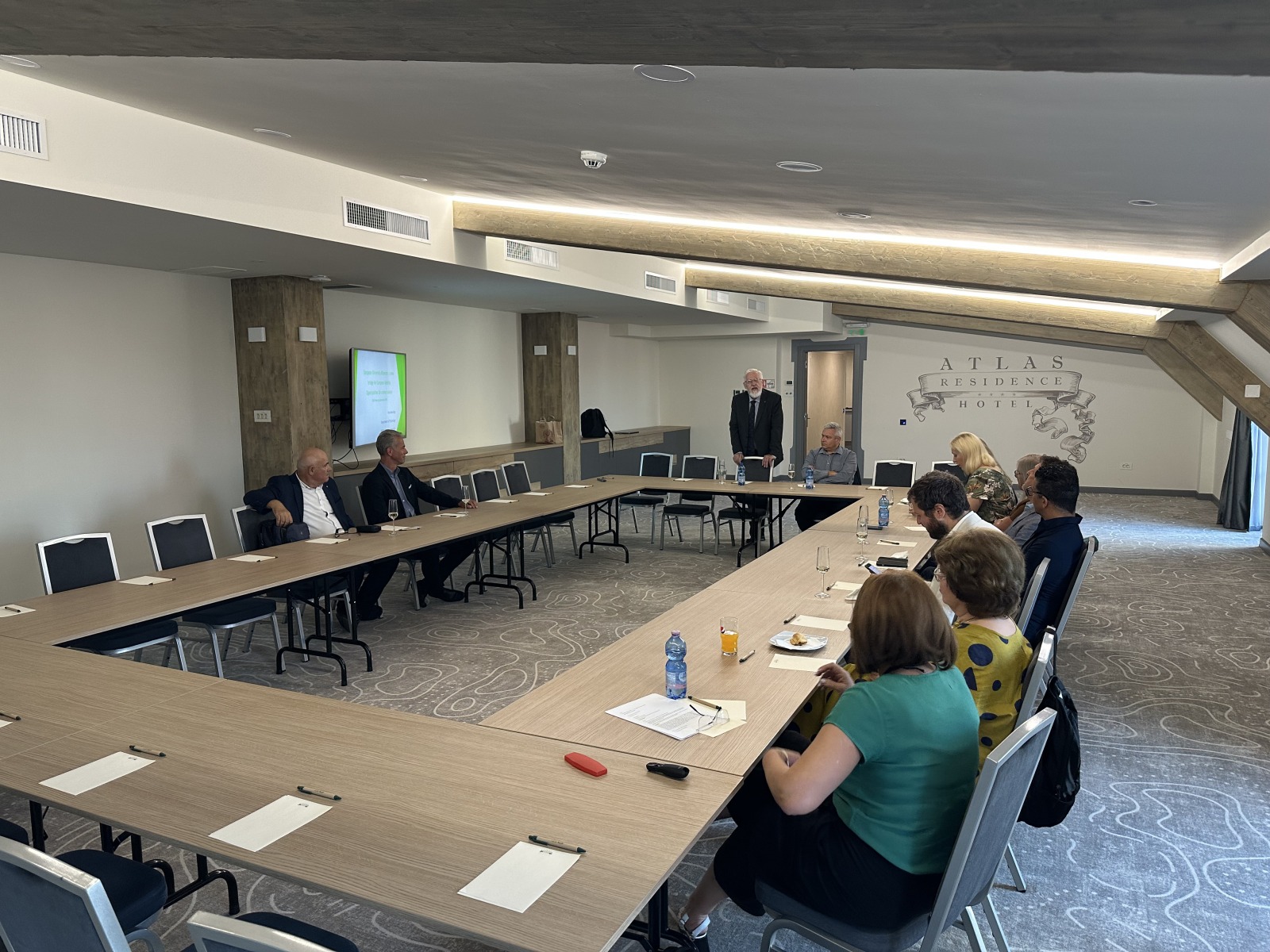
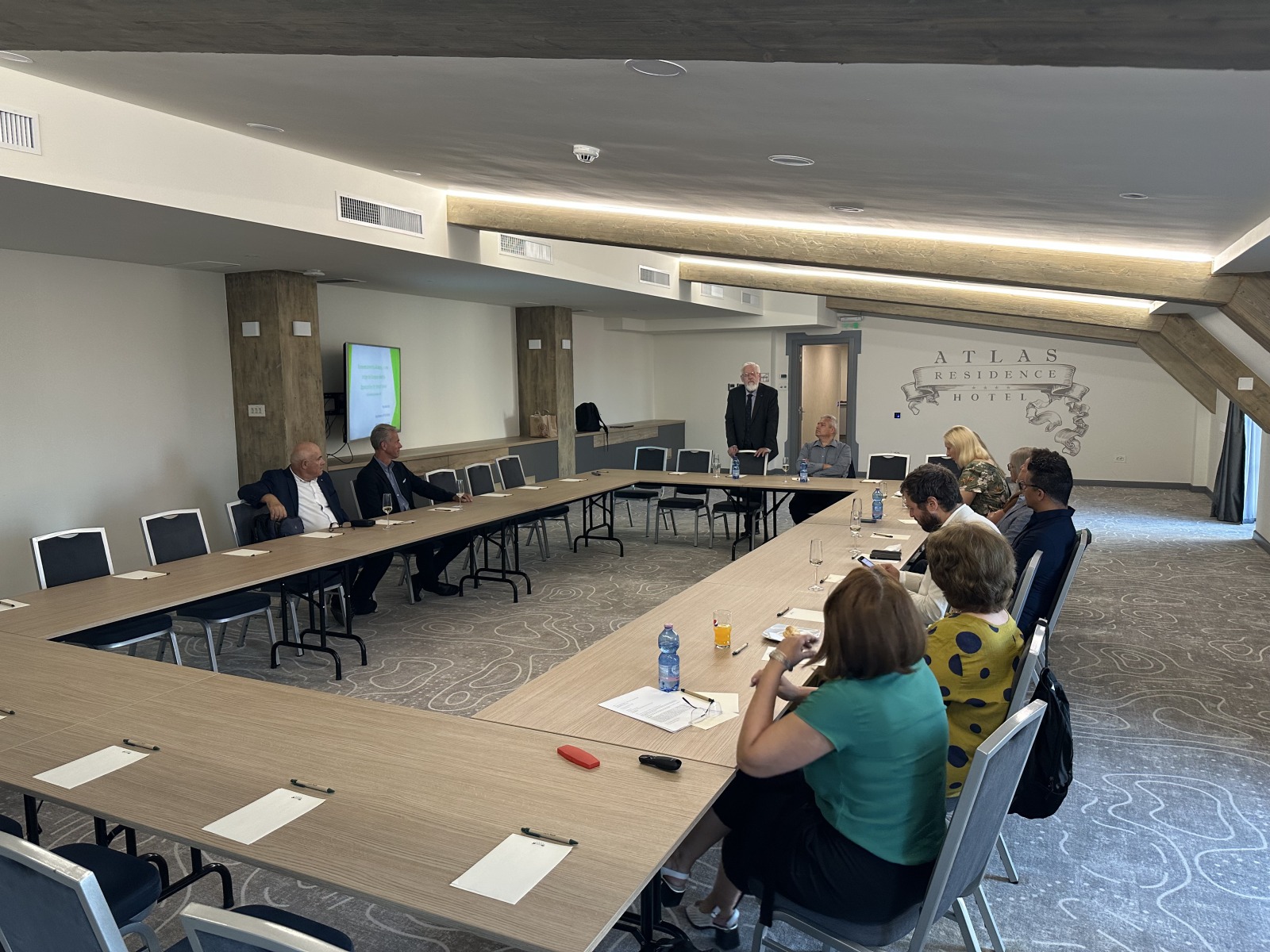
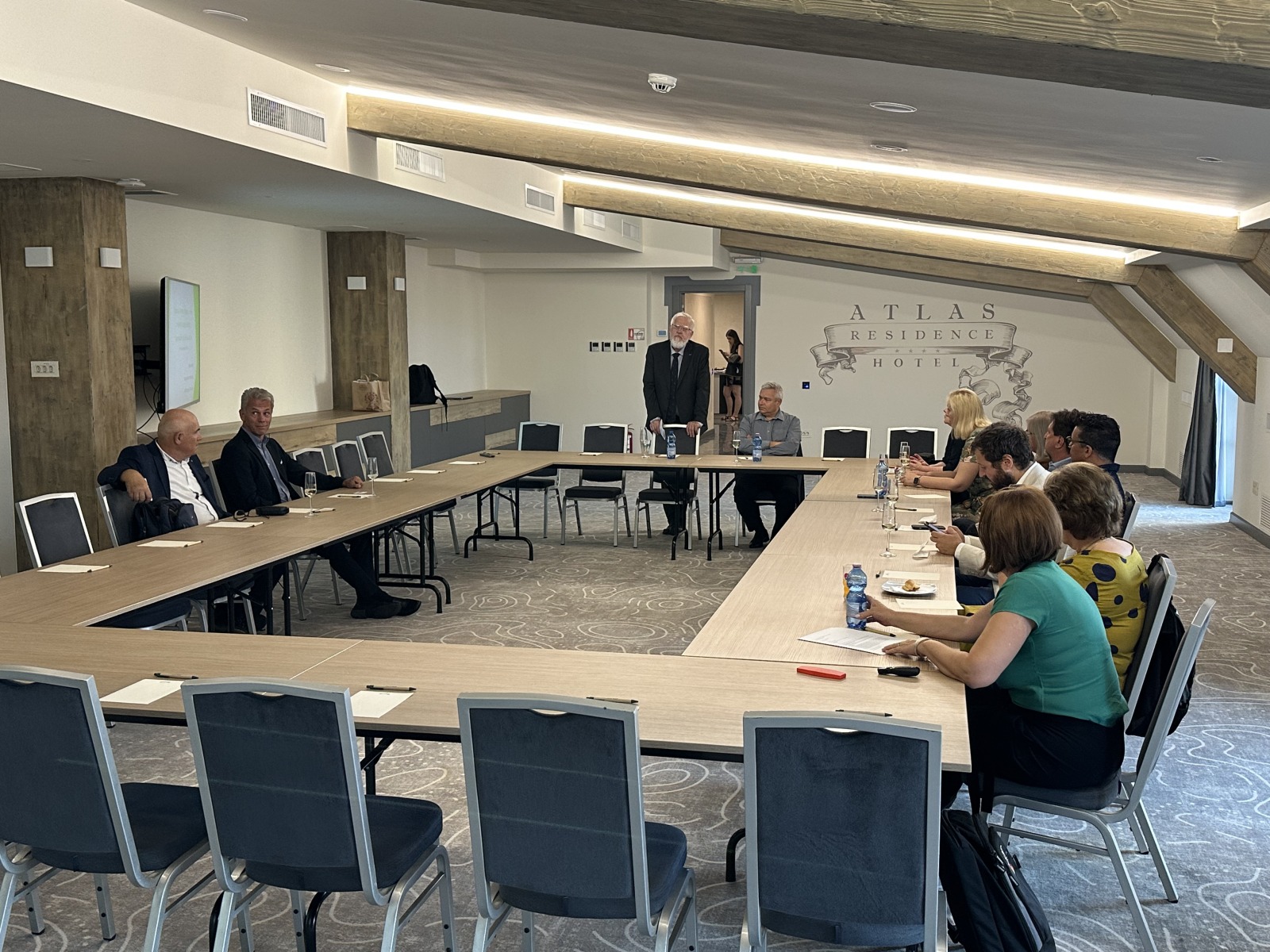
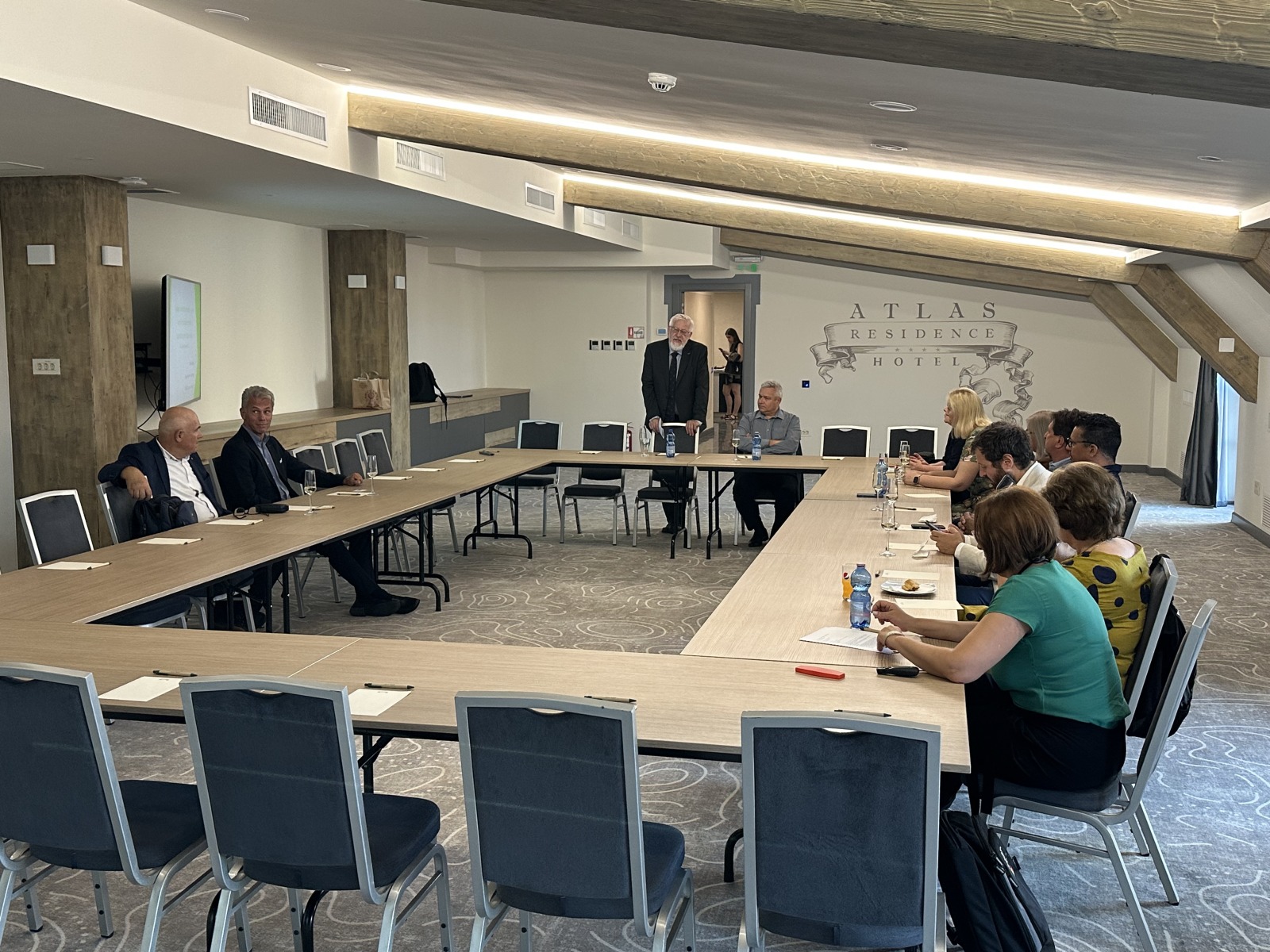
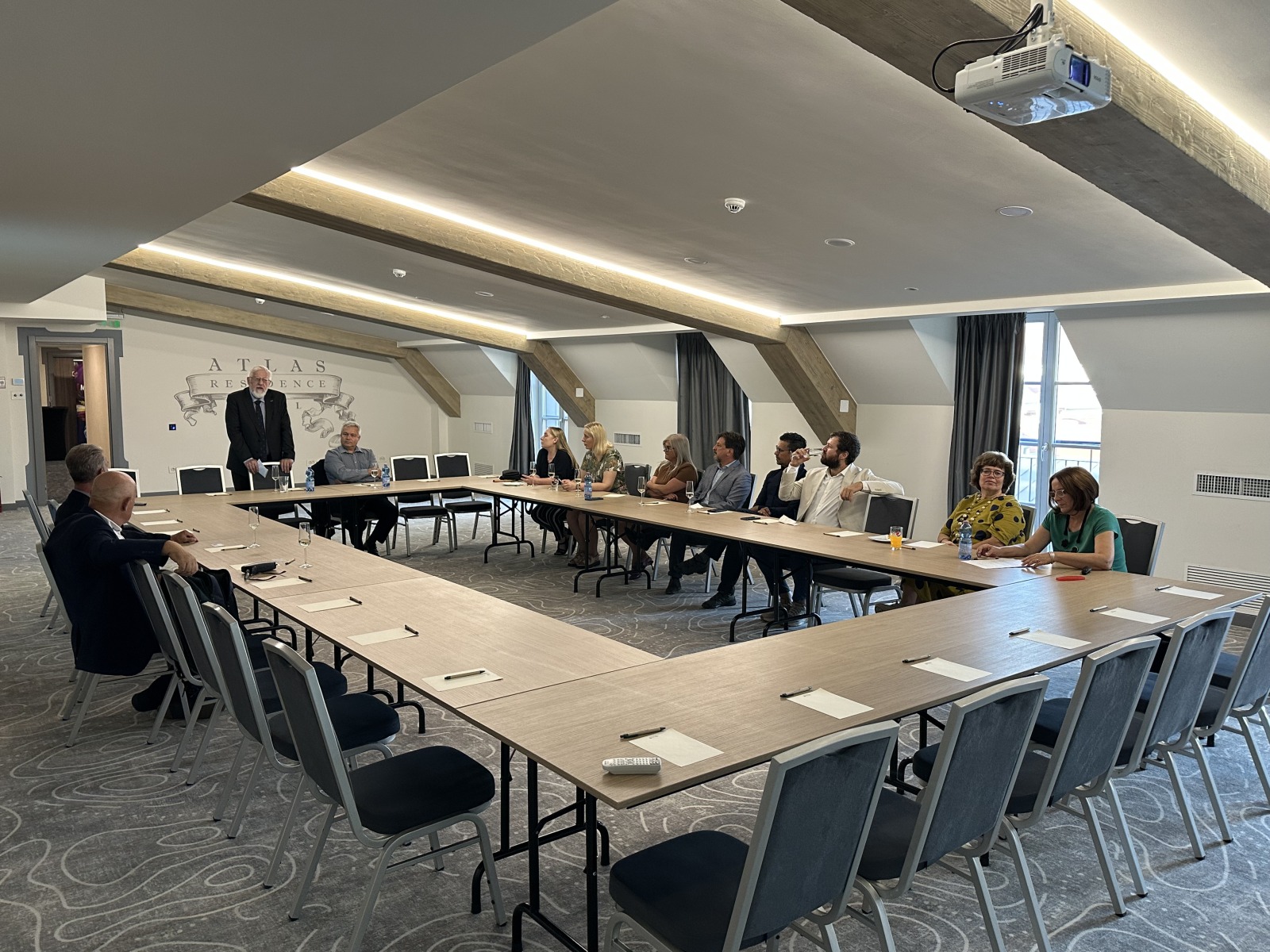
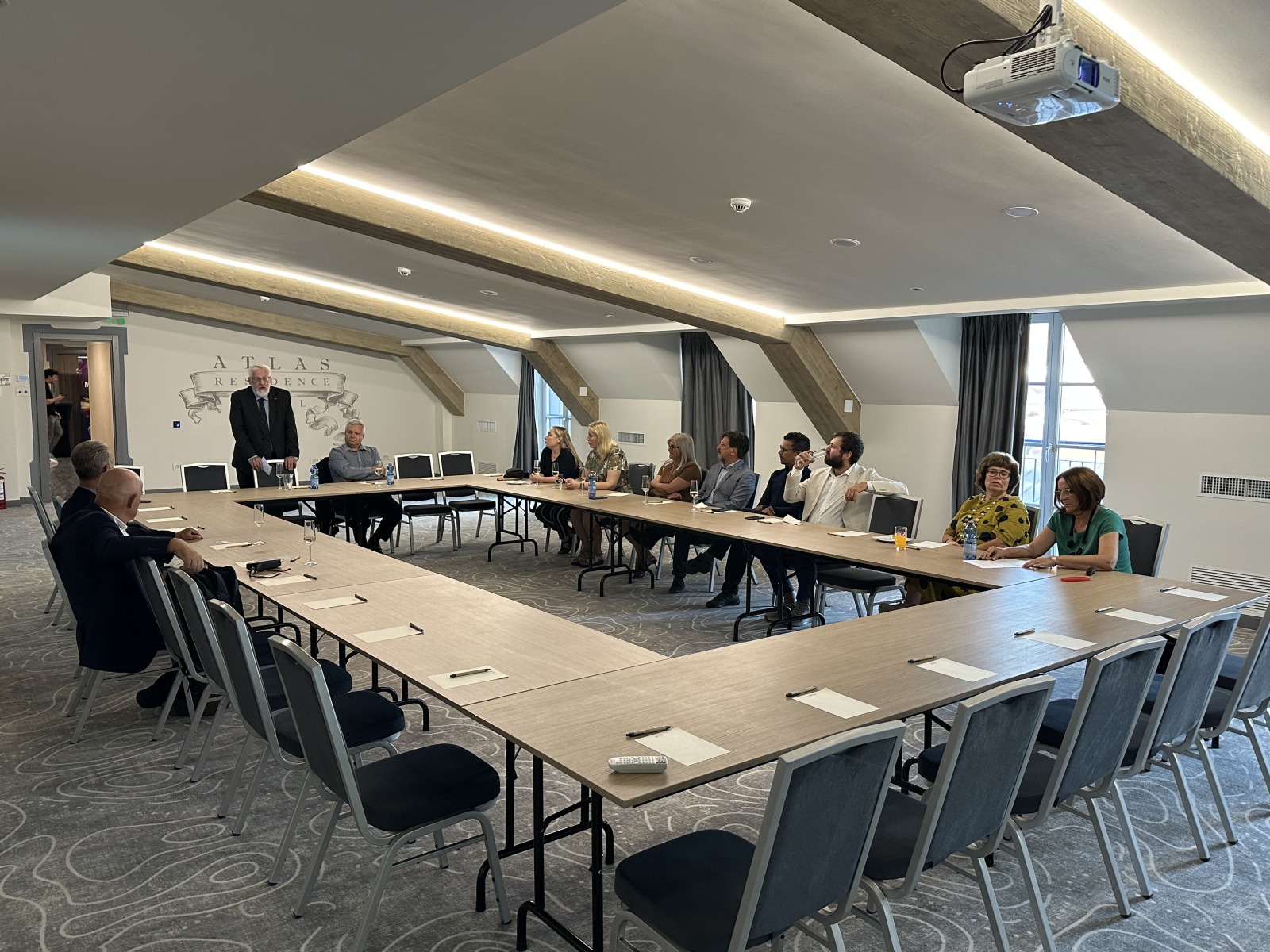
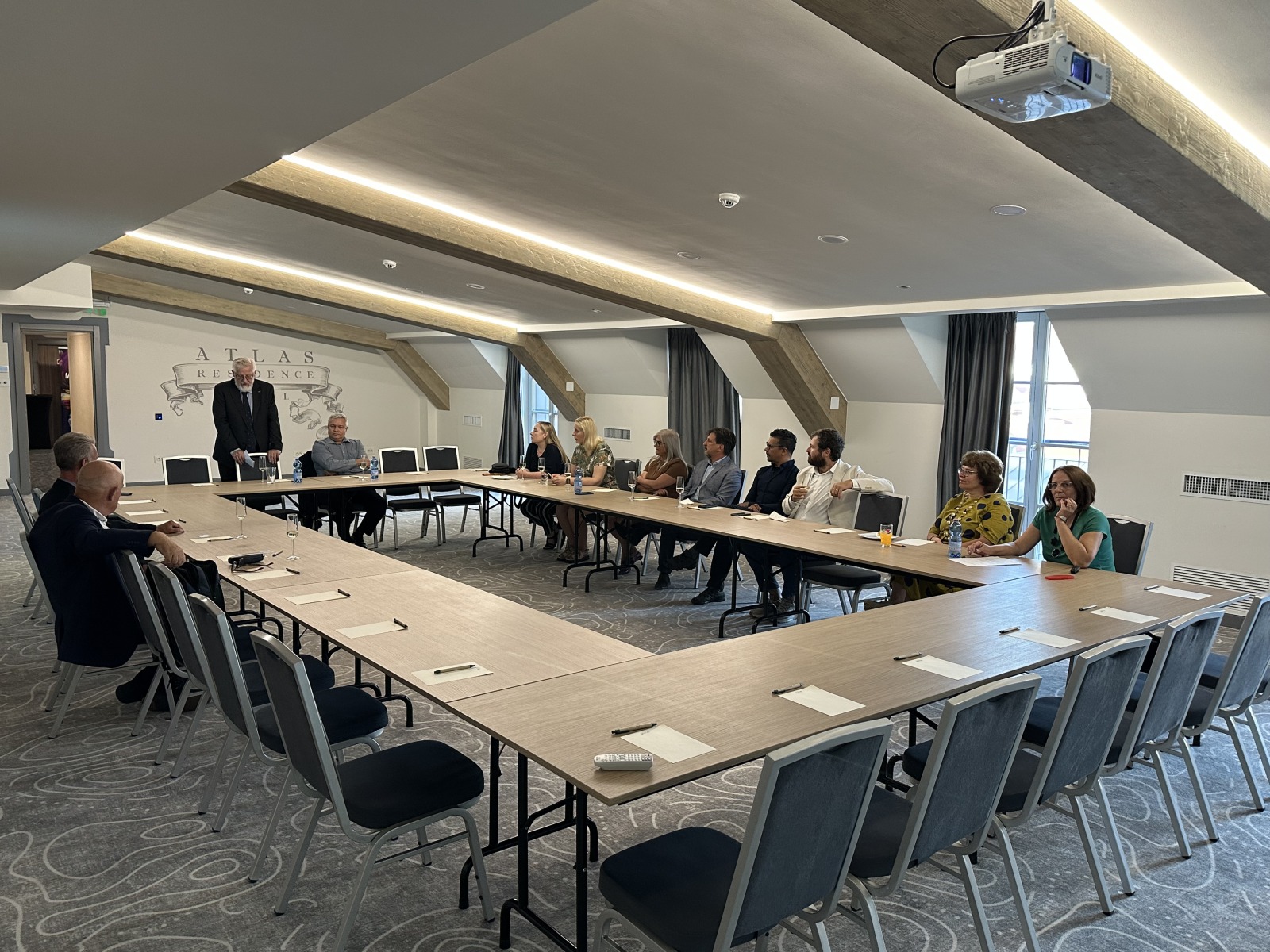
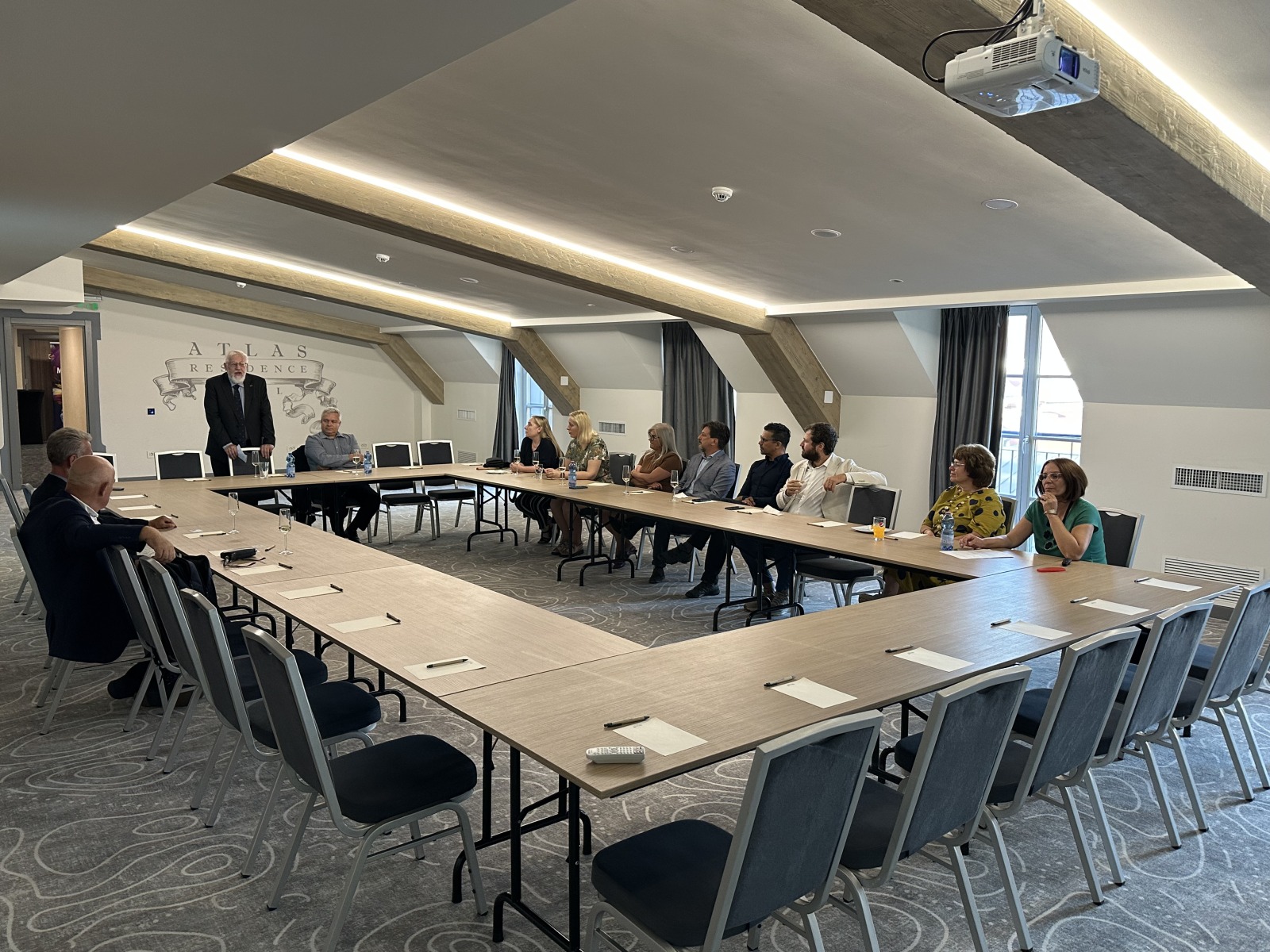
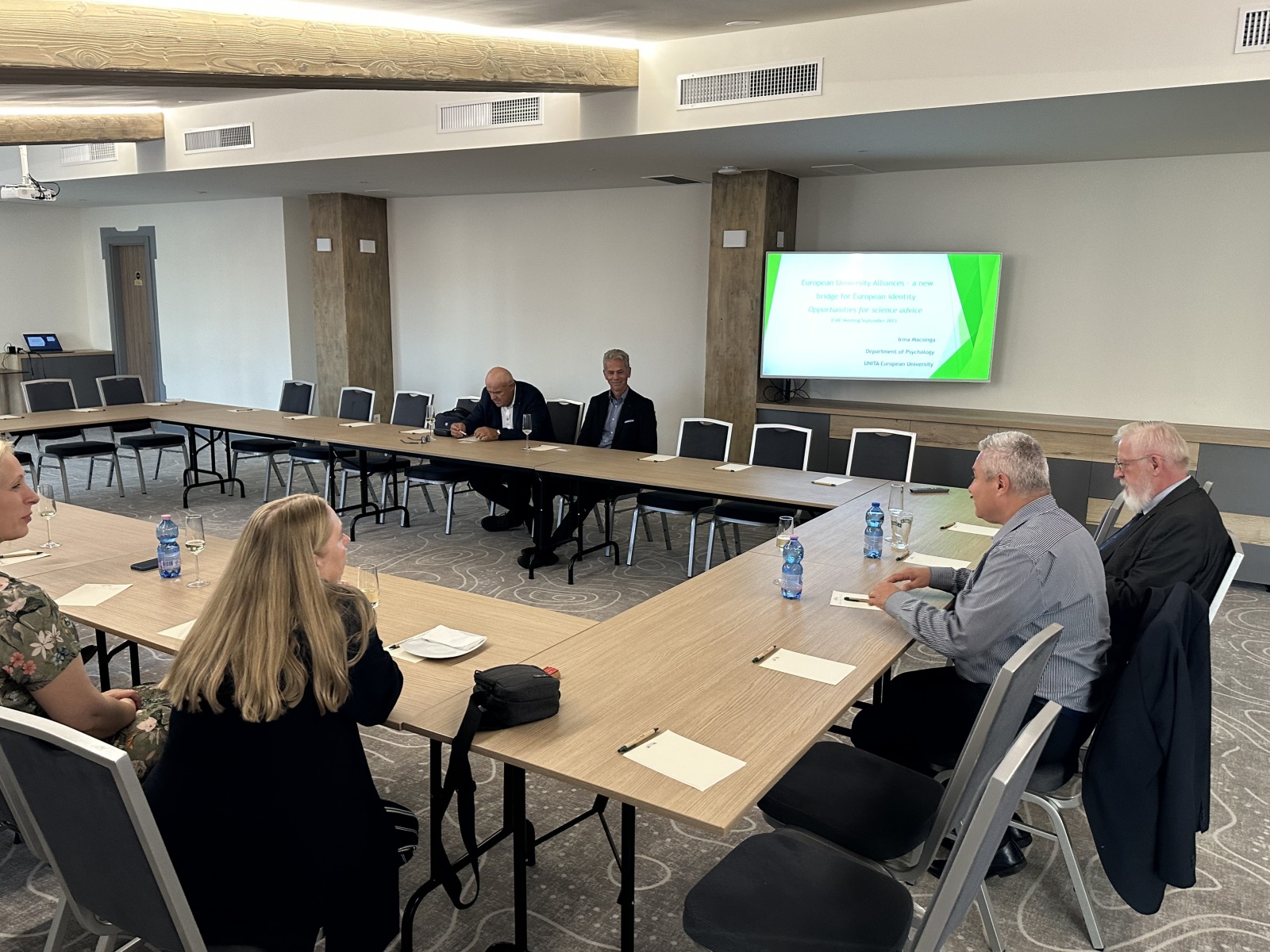
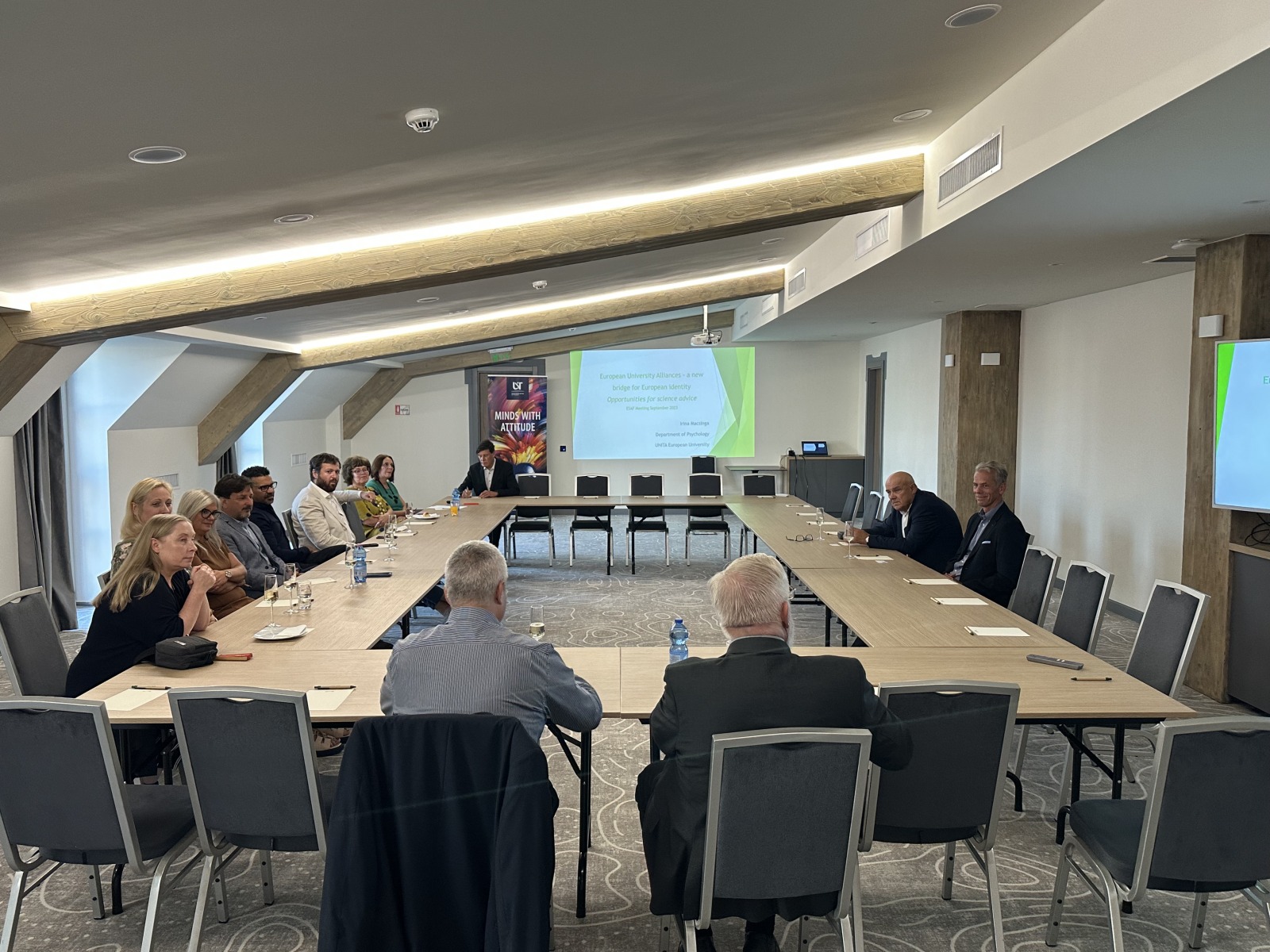
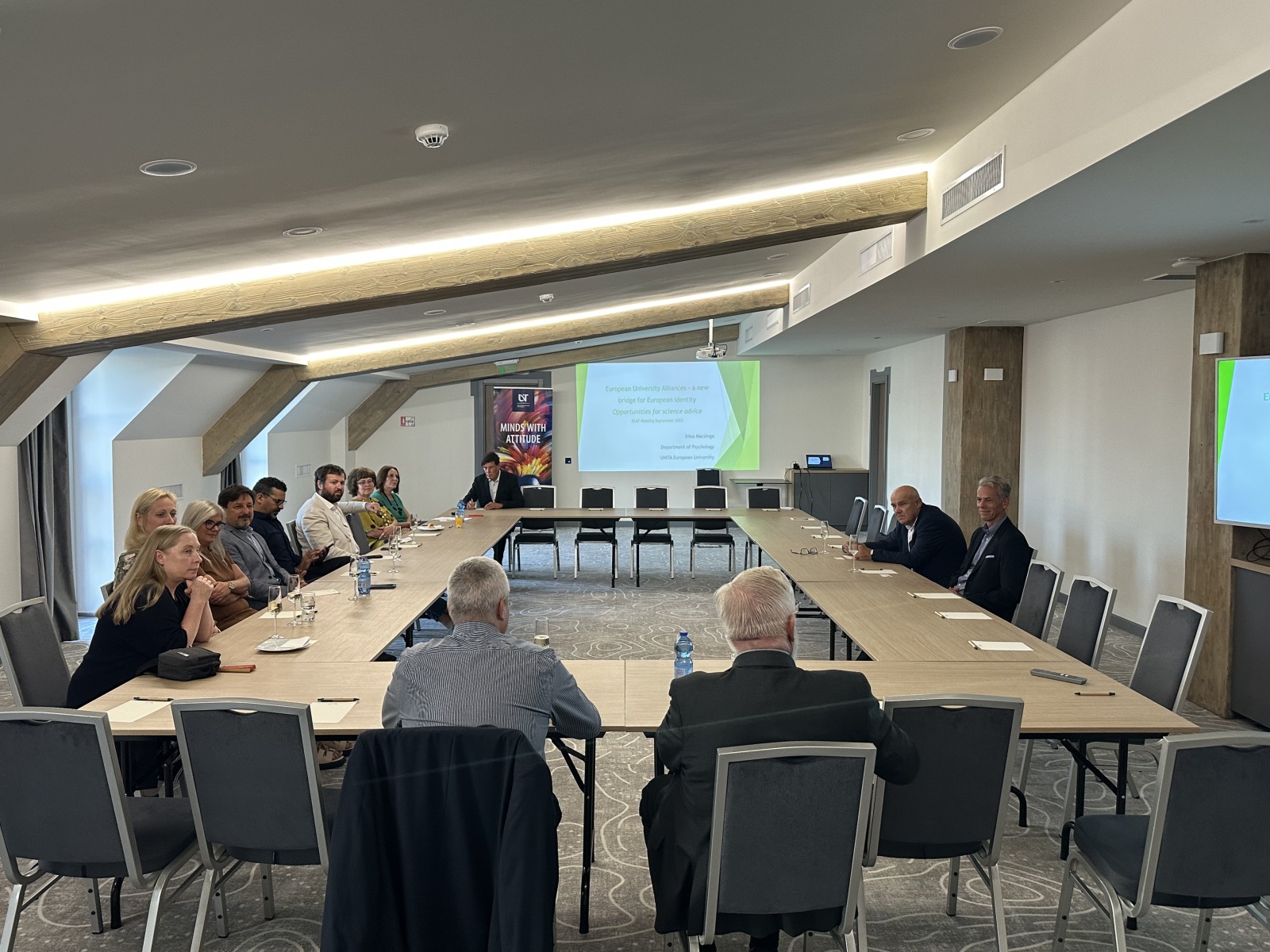
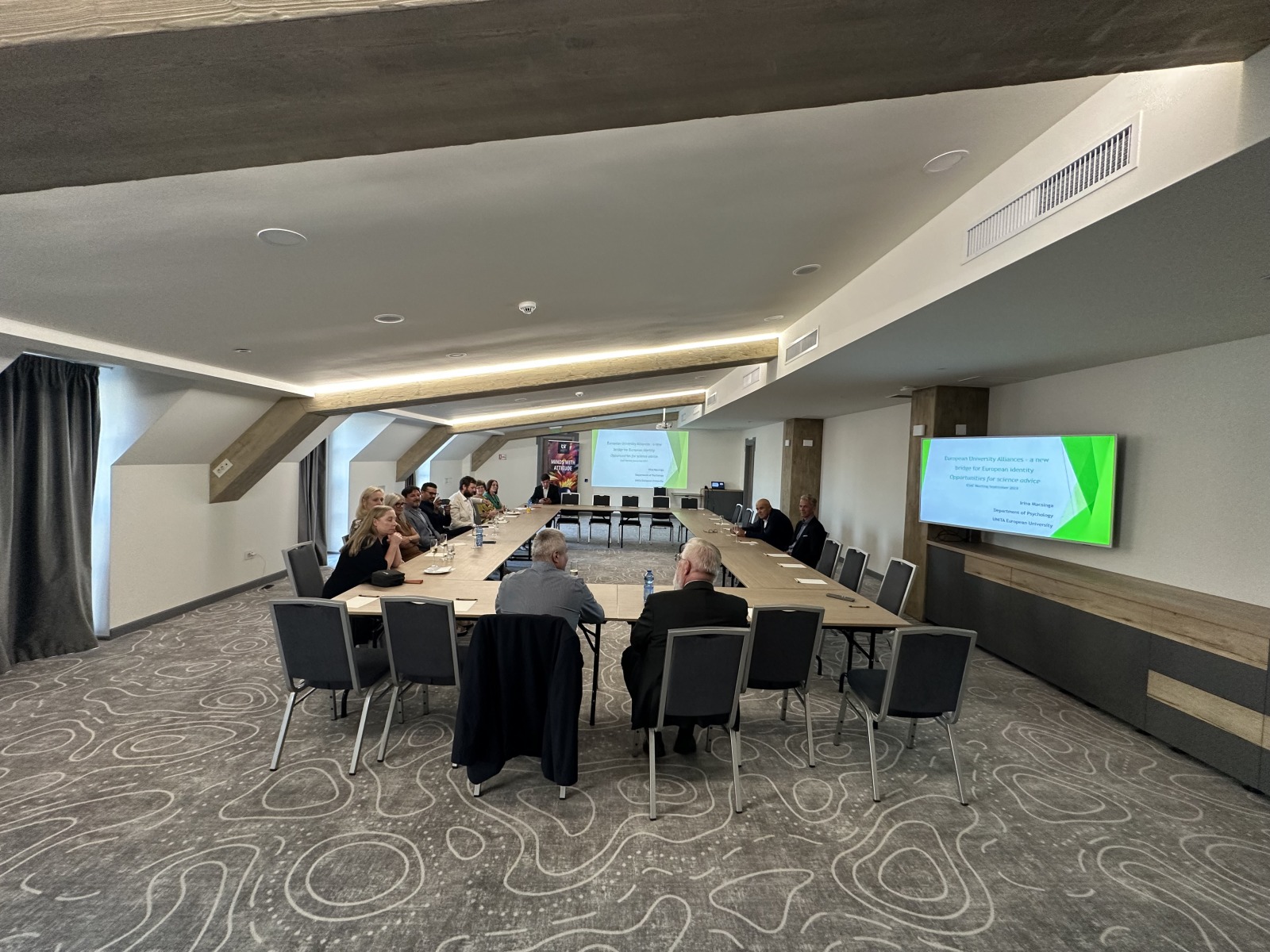
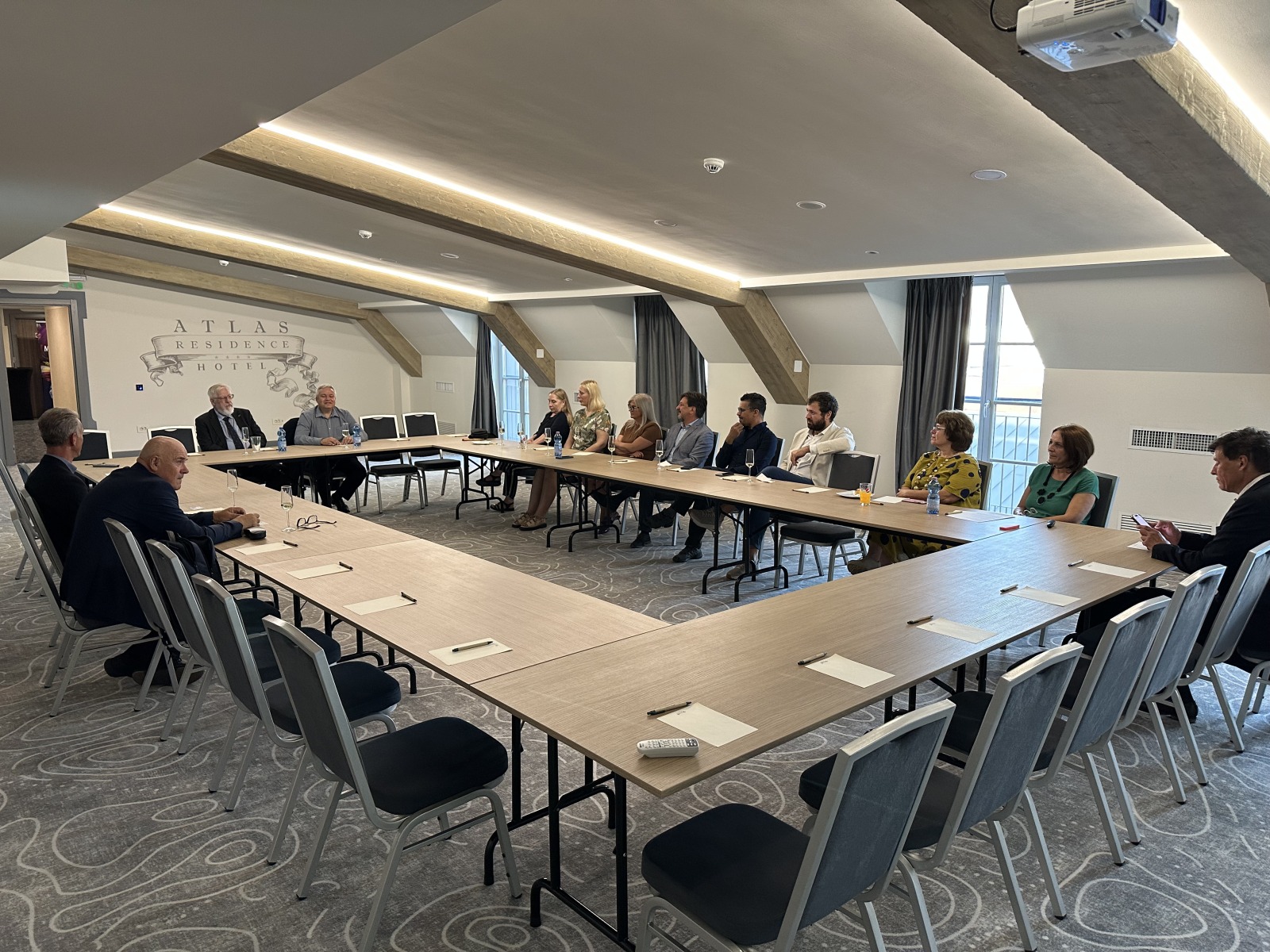
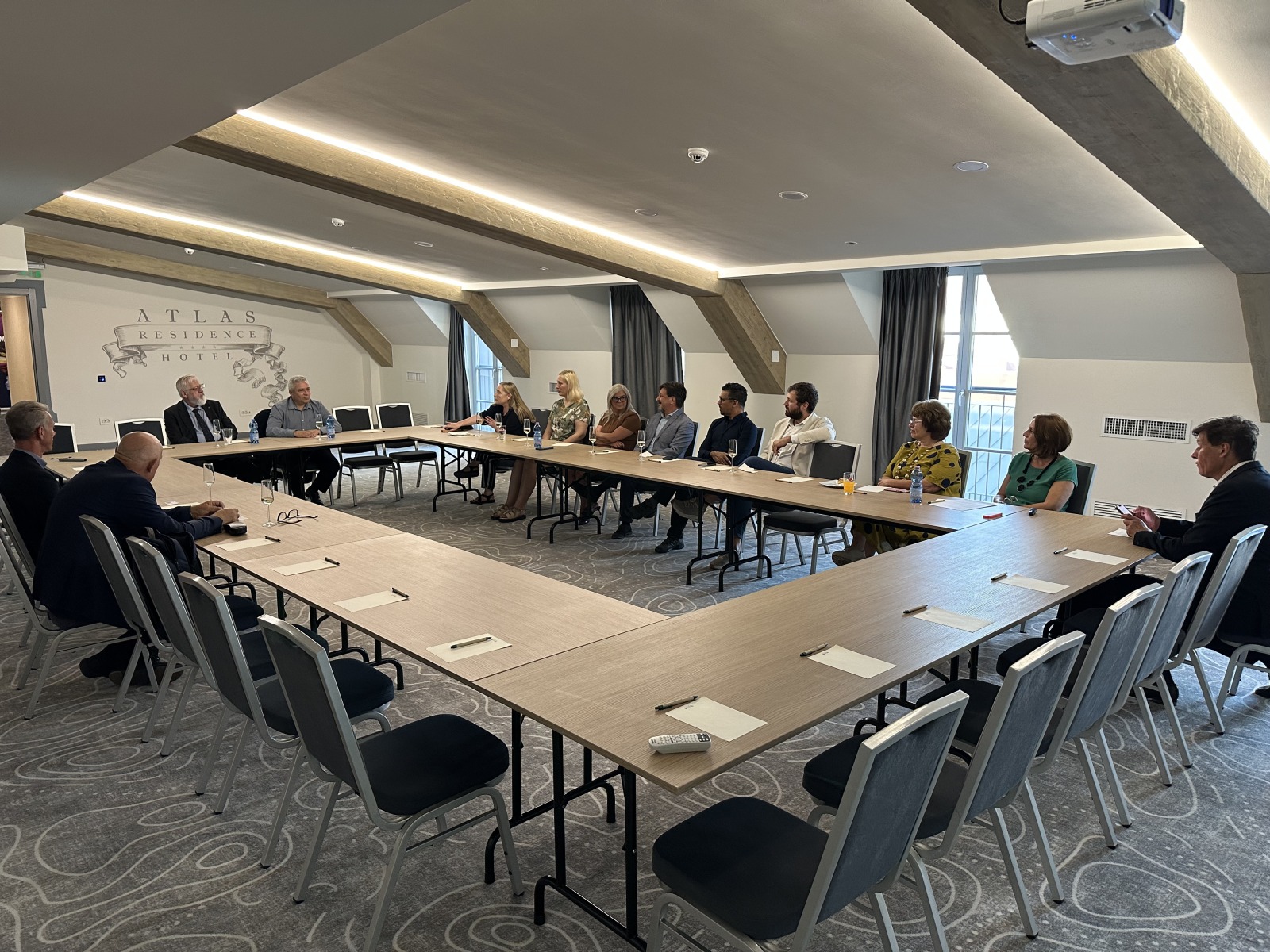
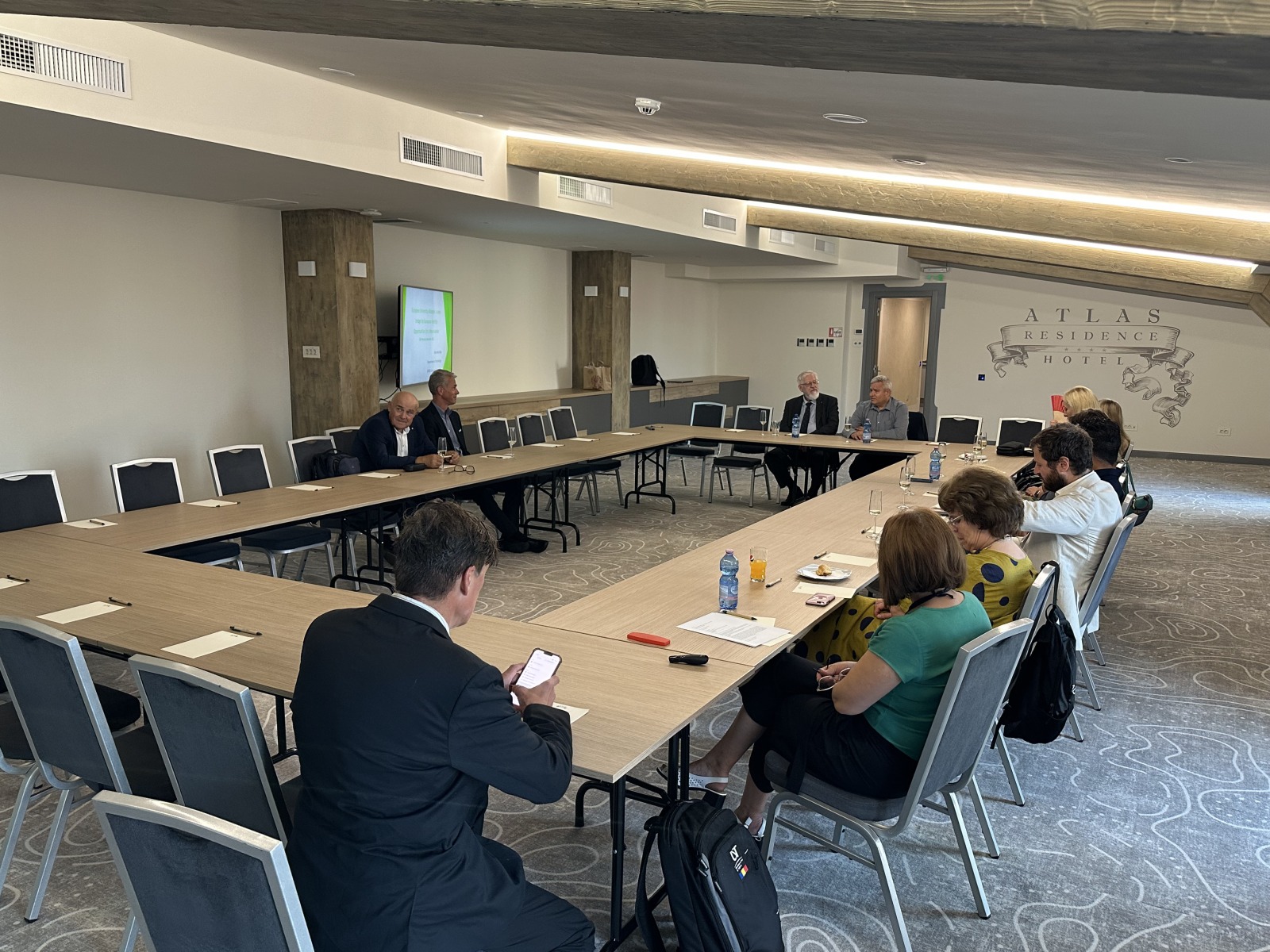
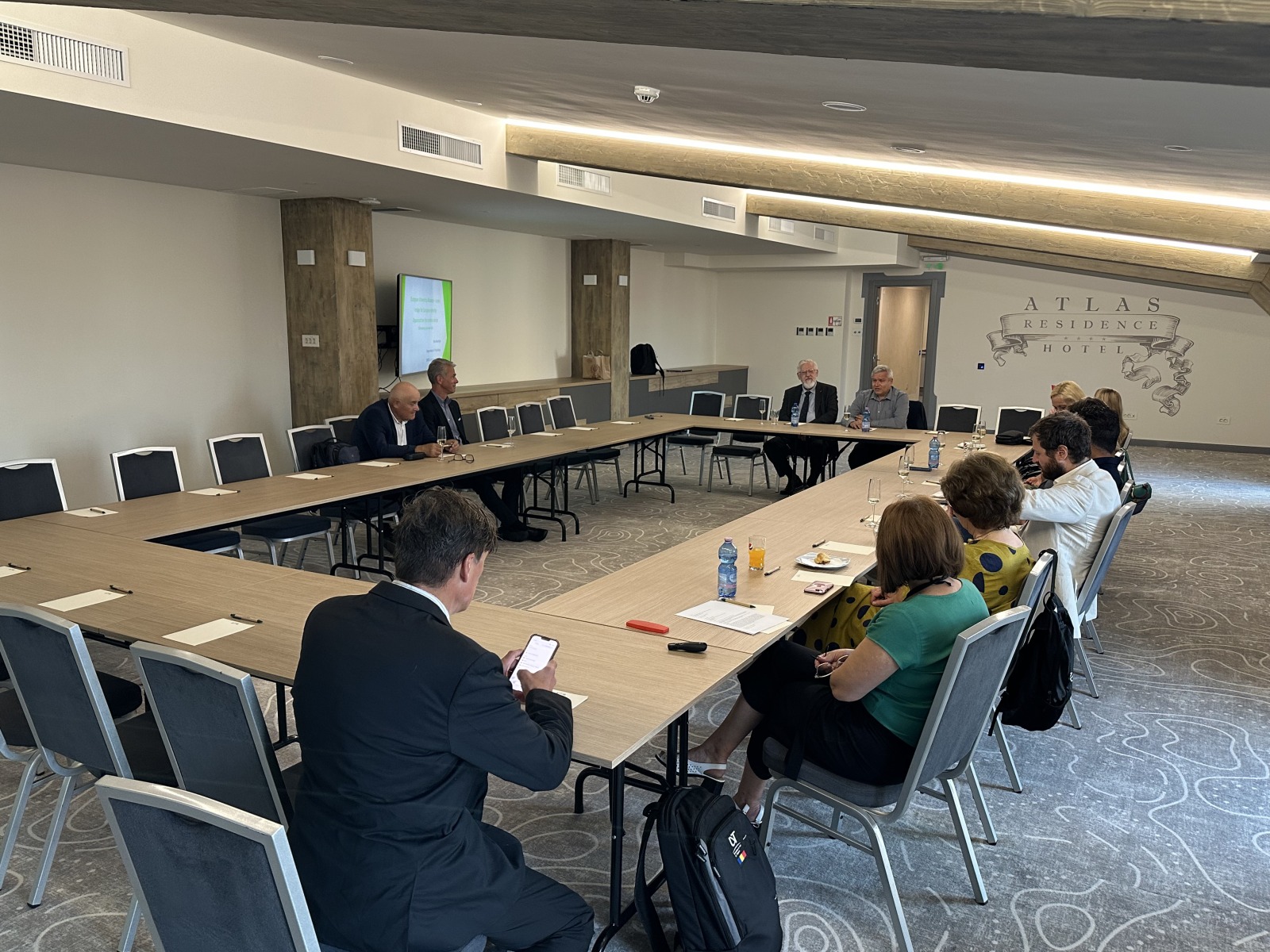
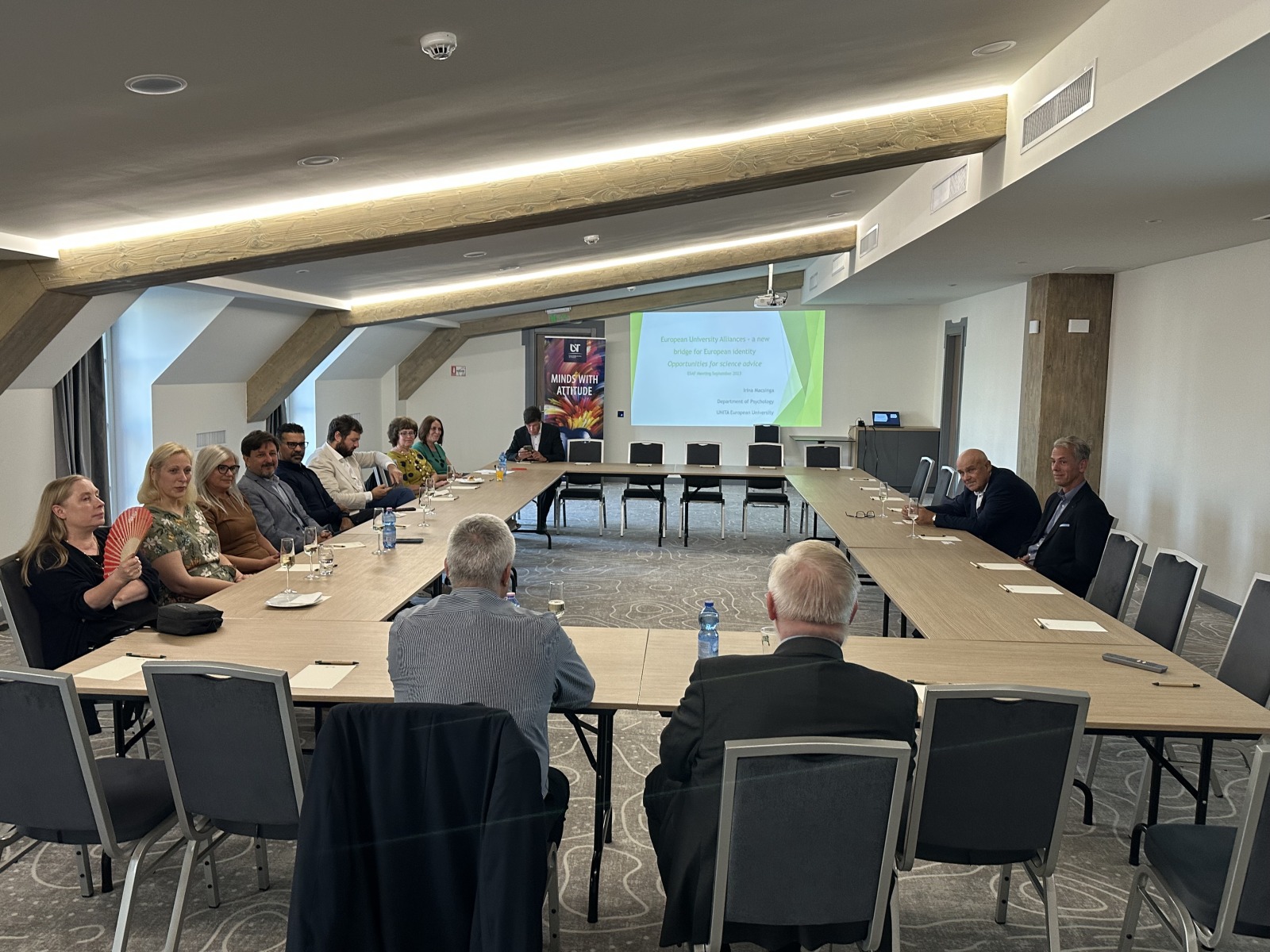
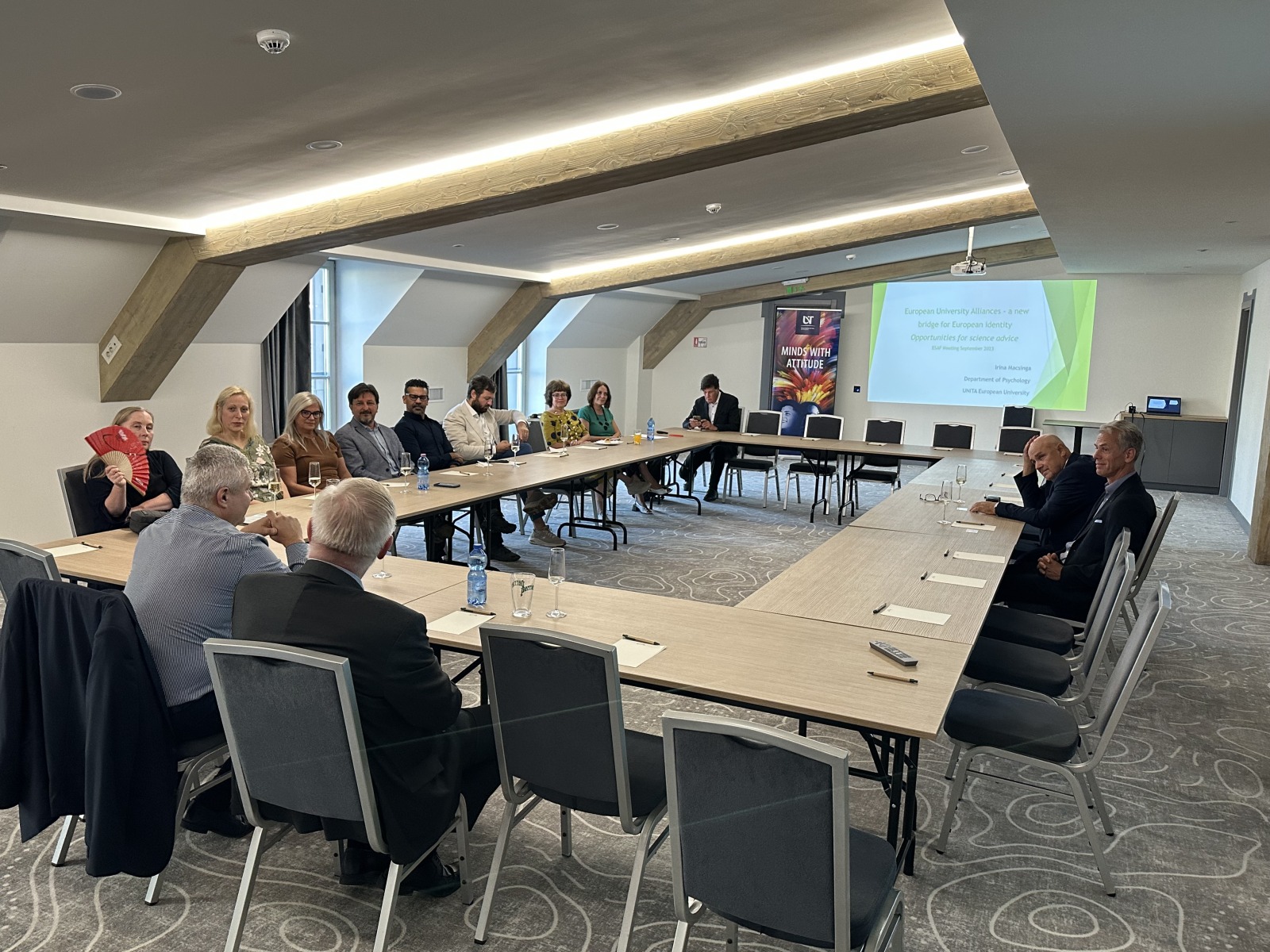
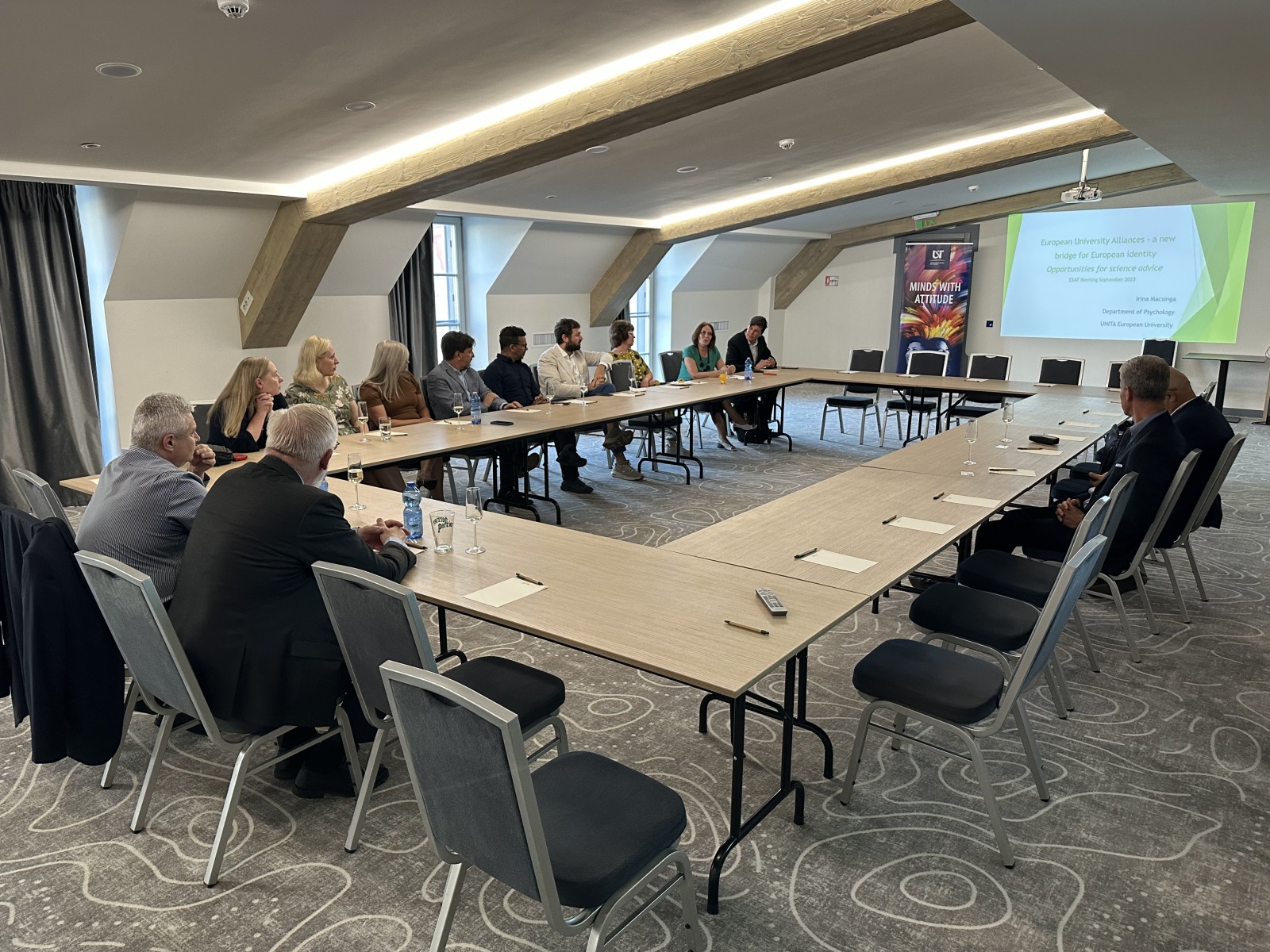
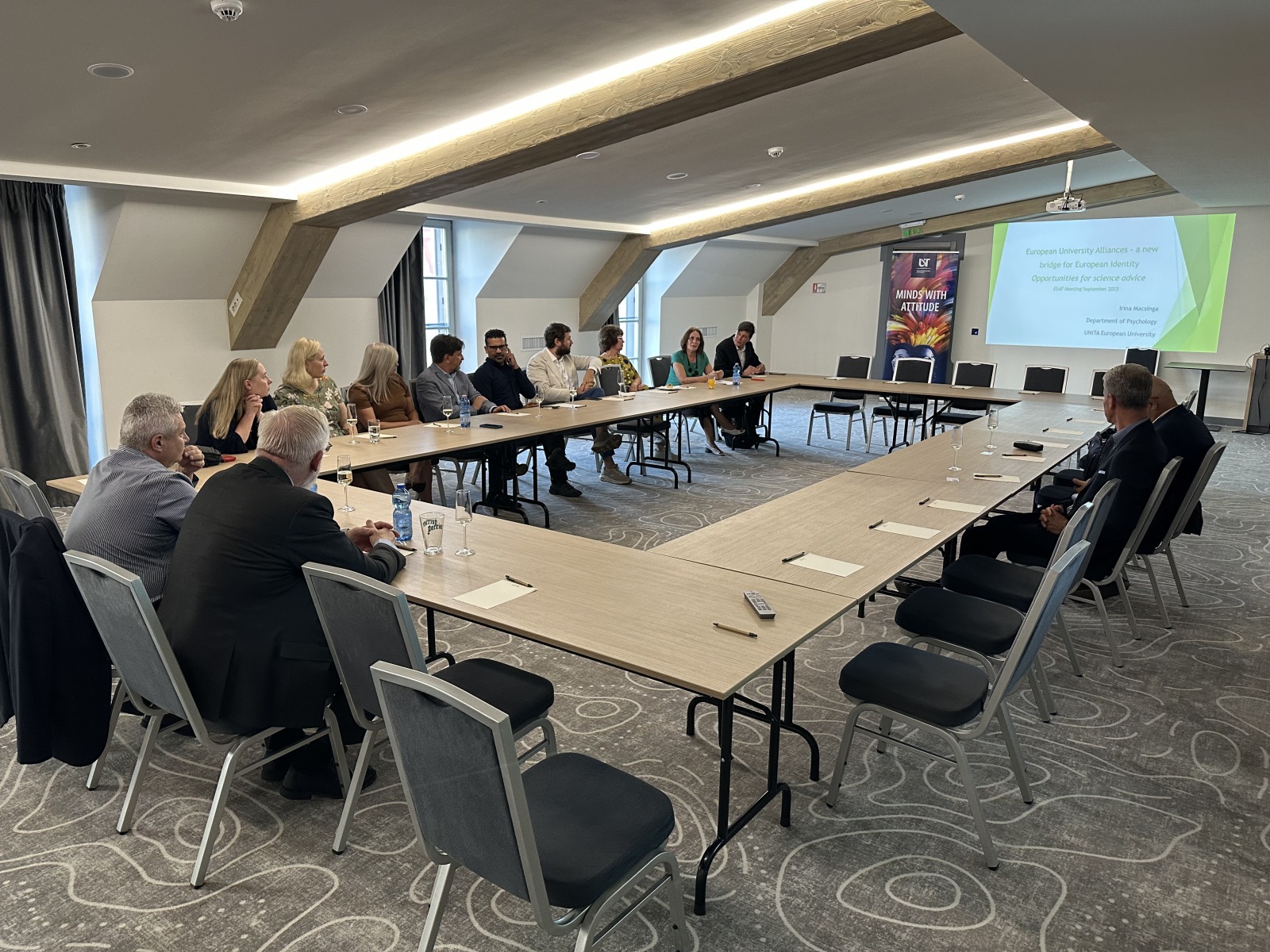
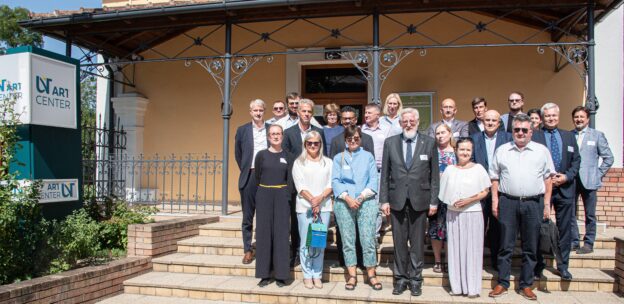
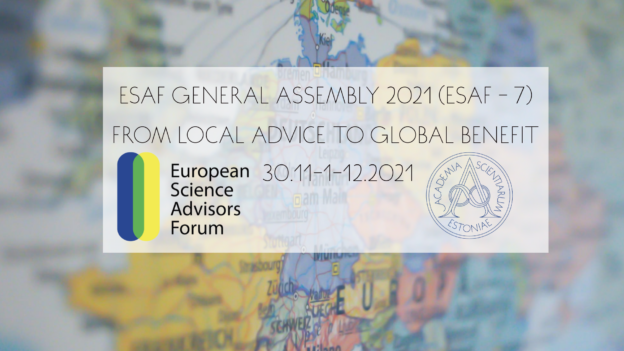
ESAF General Assembly 2021 (ESAF-7) “From local advice to global benefit” took place place from November 30 to December 1, at the Estonian Academy of Sciences, Tallinn, Estonia as a hybrid event.
Background: The recent developments and challenges in the science advice ecosystem for policy include inter alia aspects such as (i) success of ad hoc groups, (ii) issues of legislation, mandate, and openness/embargo of provided advice, (iii) bottlenecks of sharing of operational advice between countries, (iv) links to sectorial and EU-level science advice.
It is time to discuss how to bind together country-scale advice with the benefit on regional and continent level. It is natural that governments listen first of all their own scientists, but the knowledge base of these scientists is global. There is no national mathematics or local pandemic. They are global but must be implemented or mitigated in local conditions. It is time to ask questions, such as: Where are the bottlenecks in these aspects? What could we do to reach better performance for everybody? How should we frame the role of ESAF in this context?
DAY 1, 30 November
14:30–15:00 Arrival, welcome coffee, free discussion
15:00–15:20 Opening and introductions
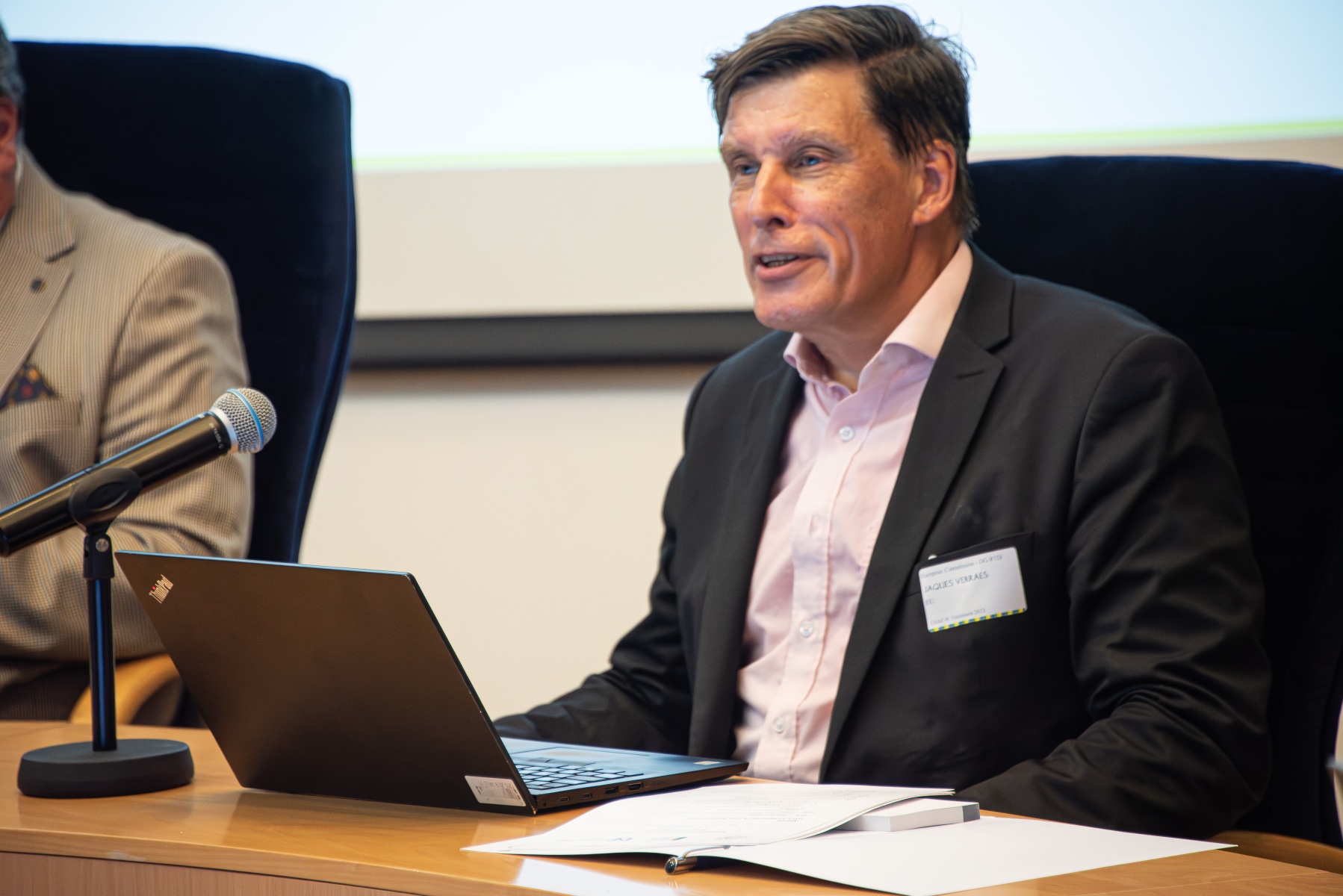
- Jacques Verraes, Deputy and Acting head of Unit “Science Policy, Advice and Ethics”
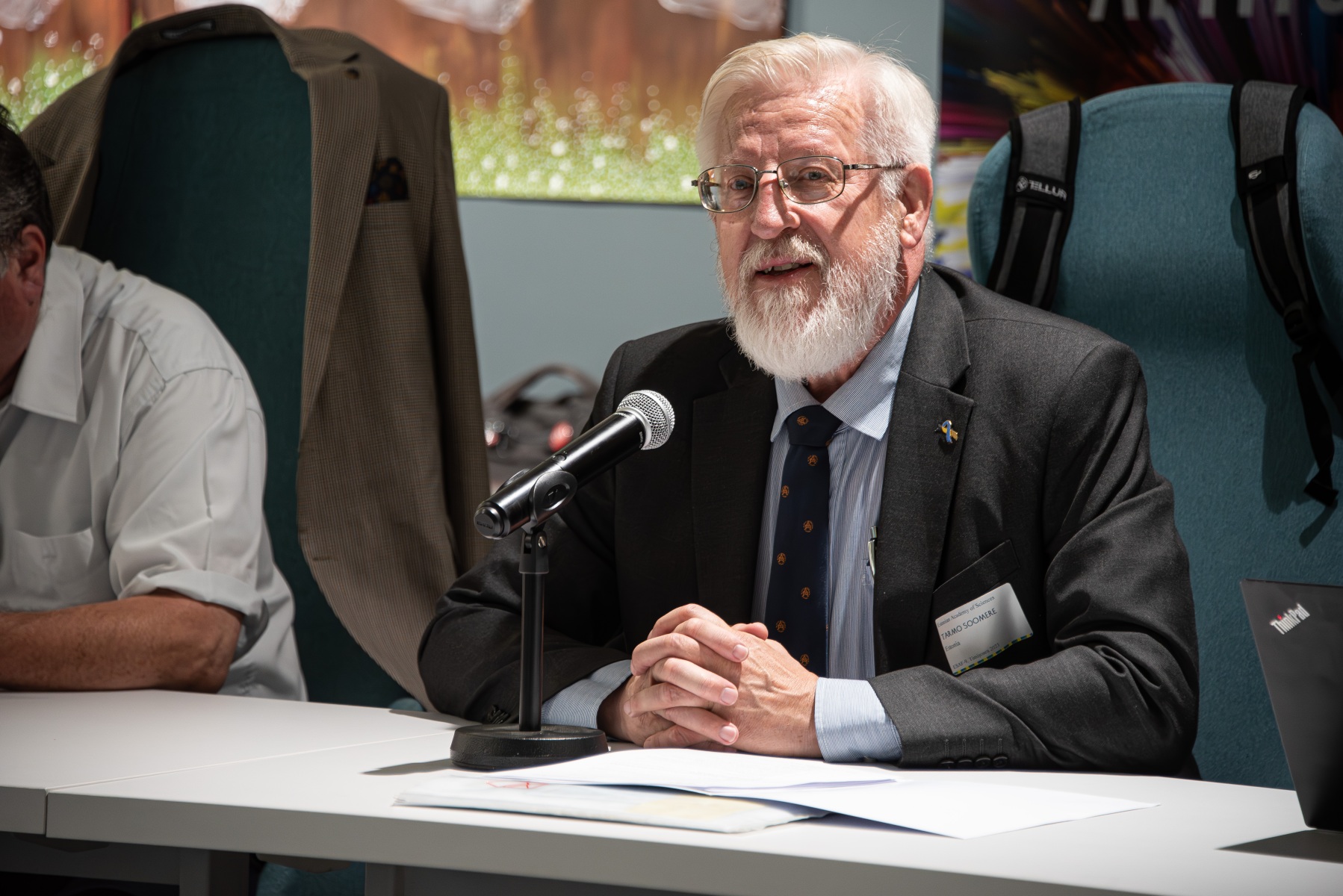
- Prof Tarmo Soomere, Chair of ESAF, President of Estonian Academy of Sciences
15:20–17:10 Session 1: Emerging science for policy ecosystem
- 15:20–15:40 Connecting advice on national and EU level. The role of the EC Group of Chief Scientific Advisors. Prof. Nicole Grobert, Chair of GCSA, University of Oxford
- 15:40–16:00 Strengthening the European science advice ecosystem and ESAF’s role in it. Jacques Verraes, Deputy and Acting head of Unit “Science Policy, Advice and Ethics”
- 16:00–16:10 Convenience break
- 16:10–16:50 Mapping and supporting diverse ecosystems within EU Member States. David Mair, Lene Topp, Lorenzo Melchor & Kristian Krieger, Joint Research Centre, European Commission. Presentation file.
- 16:50–17:10 Discussion in break-out groups: ESAF as the connecting link
17:10–17:25 Break
17:25–19:10 Session 2: Lessons and challenges
- 17:25–17:45 Time to take stock: lessons for science advice in future crises. – Prof. Corien Prins. The Netherlands Scientific Council for Government Policy. Presentation file. Presentation video.
- 17:45–18:00 Towards connectivity of national advice systems: experience from ESAF – Prof. Tarmo Soomere, President of the Estonian Academy of Sciences, ESAF Chair
- 18:00–18:20 Creating connections and networks in support of evidence-informed policymaking in Europe – David Mair, Lene Topp, Lorenzo Melchor & Kristian Krieger, Joint Research Centre, European Commission
- 18:20–18:35 International Network for Government Science Advice (INGSA) in European ecosystem of science advice – Kristiann Allen, Executive Secretary, INGSA. Presentation file.
- 18:35–18:55 Discussion in break-out groups: The future of ESAF in the science advice ecosystem.
- 18:55–19:10 Reflections from breakup groups & wrap-up
20:00 Dinner at restaurant “Pegasus” (address: Harju 1, Tallinn) (sorry, only for the participants in Tallinn 🙂 )
DAY 2, 1 December
9:30–10:00 Morning Coffee
10:00–12:30 Session 3: Steps into future
- 10:00–10:20 Experimental development of national science advice: The case of SOFI (Science Advice Initiative of Finland). Jaakko Kuosmanen, Finnish Academy of Science and Letters. Presentation file. Presentation video.
- 10:20–10:40 The potential benefits of Trans-European collaboration in a network of experienced national science advisors within specific knowledge areas. Niels Halberg, Director of Danish Centre for Food and Agriculture. Presentation file.
- 10:40–11:00 Central challenges to evidence informed policy making: The role of values and identities. David Mair & Mario Scharfbillig, Joint Research Centre, European Commission. Presentation file.
- 11:00–11:10 Convenience break
- 11:10–11:30 Scientific advice during Covid-19 pandemic in Estonia: combining local data with global knowledge, Prof. Krista Fischer, COVID-19 science advisory board of Estonia. Presentation file.
- 11:30–11:50 Developing the system of scientific advisers in Estonian ministries. Liina Eek, Estonian Research Council. Presentation file.
- 11:50–12:10 European missions: how to integrate national research and science-based innovation programs to realize the expectations and challenges on the European and National level. Prof. Ričardas Rotomskis, Research Council of Lithuania. Presentation file.
12:10–12:20 AOB and Conclusions
12:20–13:20 Lunch